Most tourists in Italy pay €4 for a cappuccino they drink sitting down at a table. Locals pay €1.10 for the same thing standing at the counter. That €2.90 difference adds up fast — over a two-week trip, you could waste €40–€60 just on the seat tax.
But the price gap is just the surface. The real problem is ordering the wrong thing at the wrong time. Italians have strict rules about what drinks belong to which part of the day. Order a cappuccino after 11:00 AM and the barista will serve it, but you’ve just announced yourself as a tourist.
This phrasebook covers the 15 most common coffee orders, the unwritten timing rules, and the payment system that trips up first-timers. No fluff. Just what you need to walk into any bar in Rome, Milan, or Naples and not look lost.
The 5 Coffee Rules Italians Actually Follow
Before you learn a single phrase, you need the framework. These rules are not suggestions. They are social code.
Rule 1: Cappuccino is a breakfast drink only
Italians drink cappuccino between 6:00 AM and 11:00 AM. After that, the milk is considered heavy and bad for digestion. Order one at 2:00 PM and you’ll get a look. Not a mean look — just a confused one. The exception: pregnant women and children sometimes get a pass. You are not a pregnant woman or a child.
Rule 2: Pay first, then order
This is the one that catches everyone. Walk into a bar, go to the register, tell the cashier what you want, pay, take the receipt to the barista, hand it over, then order again verbally. The receipt is your ticket. Skip the payment step and the barista will point at the register. It’s not rudeness — that’s just how the system works.
Rule 3: Standing at the counter costs less than sitting
Al banco (at the counter) is the default. You pay one price. If you sit at a table, a second price list applies — usually 2x to 3x higher. The coffee is exactly the same. The markup is for the service of bringing it to your table and cleaning the table after.
Rule 4: No flavored syrups
Vanilla, caramel, hazelnut — these exist in Italy but they are for tourists and teenagers. A real Italian coffee order is espresso, maybe with a splash of milk. That’s it.
Rule 5: The bill is paid at the register, not the table
You don’t ask for the check. You stand up, walk to the register, and pay. If you sit and wait for someone to bring you a bill, you’ll be waiting a long time.
The Essential Phrasebook: 10 Orders You’ll Actually Use
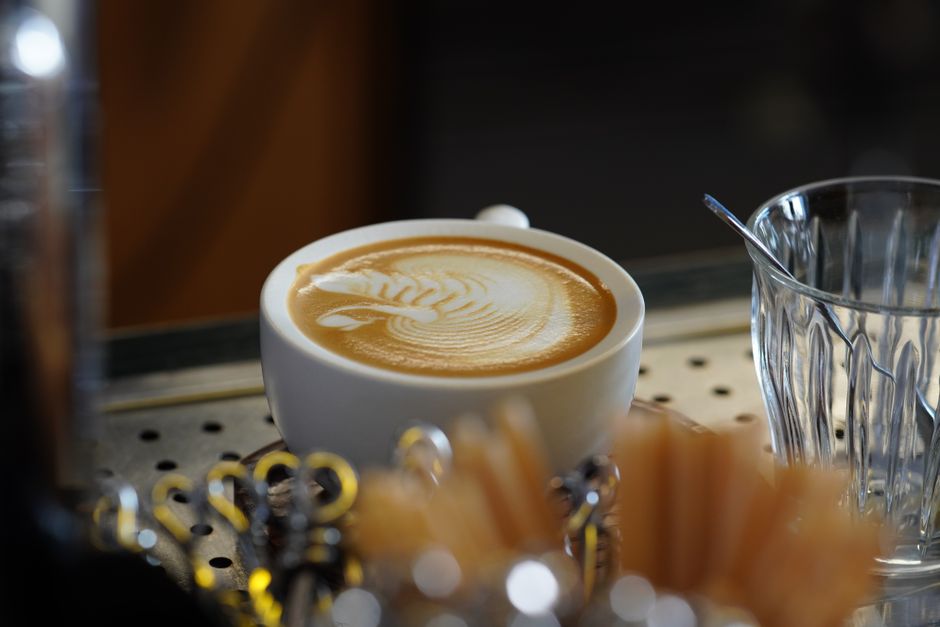
These are the only phrases you need. Memorize five of them and you can handle any situation.
| Drink | Italian Phrase | Pronunciation Guide | Typical Price (al banco) |
|---|---|---|---|
| Espresso | Un caffè | oon kah-FEH | €1.00–€1.20 |
| Double espresso | Un caffè doppio | oon kah-FEH DOHP-pyoh | €1.50–€1.80 |
| Macchiato | Un caffè macchiato | oon kah-FEH mahk-KYAH-toh | €1.20–€1.40 |
| Cappuccino | Un cappuccino | oon kahp-poo-CHEE-noh | €1.30–€1.50 |
| Latte (milk) | Un latte | oon LAHT-teh | €1.10–€1.30 |
| Caffè latte | Un caffè latte | oon kah-FEH LAHT-teh | €1.40–€1.60 |
| Americano | Un americano | oon ah-meh-ree-KAH-noh | €1.20–€1.50 |
| Decaf | Un caffè decaffeinato | oon kah-FEH deh-kahf-feh-NAH-toh | €1.10–€1.30 |
| With alcohol (grappa) | Un caffè corretto | oon kah-FEH kohr-REHT-toh | €1.80–€2.50 |
| Iced coffee | Un caffè freddo | oon kah-FEH FRED-doh | €1.30–€1.60 |
Important: “Un latte” means a glass of hot milk. If you want coffee with milk, you say “un caffè latte.” This is the single most common ordering mistake tourists make. You will get a glass of warm milk. It will not be good.
When NOT to Order What: The Timing Rules with Specific Examples
This section is short because the rule is simple. But getting it wrong has consequences.
Before 11:00 AM: Anything goes. Espresso, cappuccino, macchiato, latte. This is the only window for milk-based drinks.
11:00 AM to 5:00 PM: Espresso only. Maybe a macchiato if you need a touch of milk. No cappuccino. No latte. No caffè latte. The barista will serve it, but you will be the only person in the bar drinking one.
After 5:00 PM: Espresso. Or a caffè corretto if you want a digestif. Some bars serve marocchino (espresso with cocoa powder and milk foam) as an afternoon treat, but it’s regional — common in Piedmont, rare in the south.
After dinner: Espresso. Always. The idea of a post-dinner cappuccino is borderline offensive to most Italians. It’s like ordering a milkshake after a steak.
The 4 Mistakes That Mark You as a Tourist (and How to Fix Them)
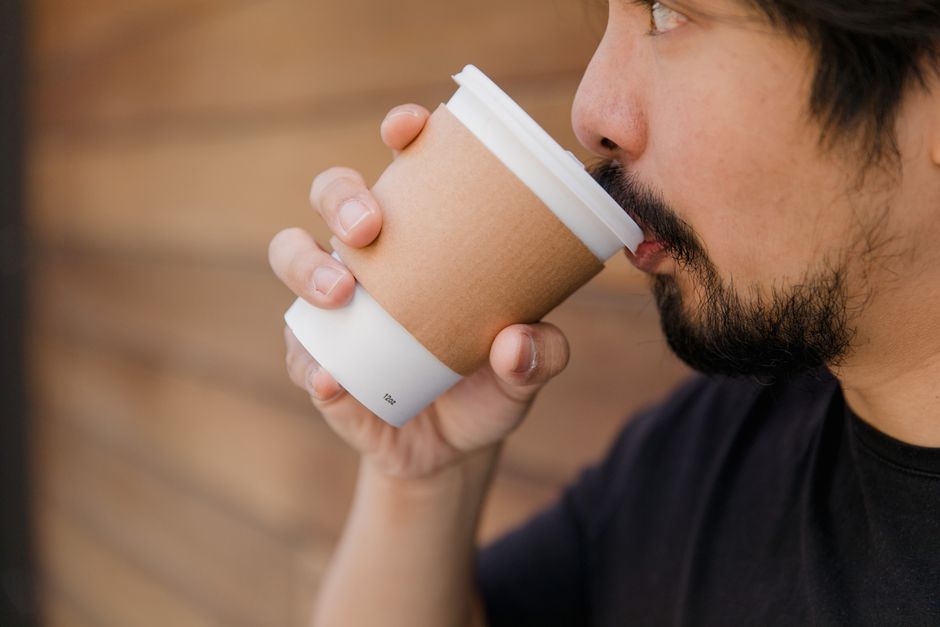
- Ordering a “latte” and getting hot milk. Fix: Say “un caffè latte.” Every time. Even if you think you’ve got it memorized, say it out loud before you walk in.
- Sitting down without checking the price difference. Fix: Look at the price list on the counter. If there are two columns — “al banco” and “al tavolo” — the table price is higher. Decide before you sit.
- Asking for “skim milk” or “soy milk.” Fix: Don’t. Italian bars use whole milk. That’s the texture. Soy milk exists in some trendy bars in Milan but is not standard. You won’t find oat milk anywhere outside a specialty shop.
- Not drinking it at the counter. Fix: Italians drink their espresso in two or three quick sips. They don’t sit and nurse it for 20 minutes. Drink it, set the cup down, leave. The whole interaction takes 90 seconds.
How to Handle the Payment System Without Looking Confused
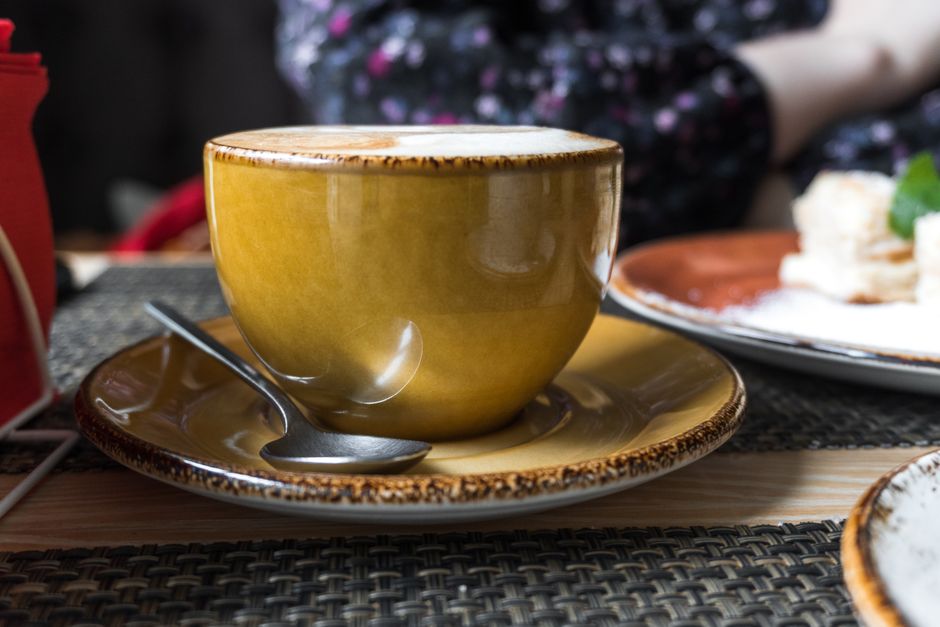
The Italian bar payment system is a two-step dance. Here’s the exact sequence.
Step 1: Walk to the register. Say “Buongiorno” (morning) or “Buonasera” (afternoon/evening). Say what you want: “Un caffè, per favore.” The cashier tells you the price. Hand over cash or tap your card. They give you a receipt (scontrino).
Step 2: Walk to the barista station. Hand them the receipt or place it on the counter. Say what you want again: “Un caffè.” The barista makes it. You drink it at the counter. You leave.
That’s it. Two interactions. Total time: 60–90 seconds. The barista will not remember your order from the register. The receipt is the proof of payment, not the order confirmation. You must say your order twice.
One more thing: tap water is not free. If you ask for a glass of water (un bicchiere d’acqua), the barista will charge you €0.50–€1.00. It’s not a scam — that’s the price of the service. You can ask for it, but don’t expect it gratis.