
Most travelers make one big mistake: they assume the CDC list applies to them. It doesn’t. I’ve been to 40+ countries across six continents — from rural Cambodia to the Amazon basin to sub-Saharan Africa — and the “recommended” list is always longer than what you actually need. Here’s the real breakdown.
Why the “Routine” Vaccines Matter More Than the Exotic Ones
Before you worry about yellow fever or Japanese encephalitis, check your MMR (measles, mumps, rubella) and tetanus-diphtheria-pertussis (Tdap) status. I met a backpacker in Laos who spent $200 on rabies shots but hadn’t had a tetanus booster in 15 years. That’s backwards.
Measles outbreaks are real
In 2026, Europe saw a 45-fold increase in measles cases compared to 2026. The CDC reports that 1 in 5 unvaccinated travelers who get measles ends up hospitalized. Your childhood MMR might still be valid — most people born after 1957 had two doses — but if you’re unsure, a blood test (titer) costs about $50 and gives you certainty.
Tetanus boosters every 10 years
I stepped on a rusty nail hiking in Nepal. My last tetanus shot was 11 years prior. The clinic in Kathmandu gave me a booster for $15, but the panic wasn’t worth it. Set a calendar reminder. Tdap covers tetanus, diphtheria, and pertussis — pertussis (whooping cough) is surging in adults who let their boosters lapse.
Bottom line: Get your routine vaccines current first. They prevent the most common travel illnesses. Everything else is destination-dependent.
Yellow Fever: The Only Vaccine Some Countries Legally Require
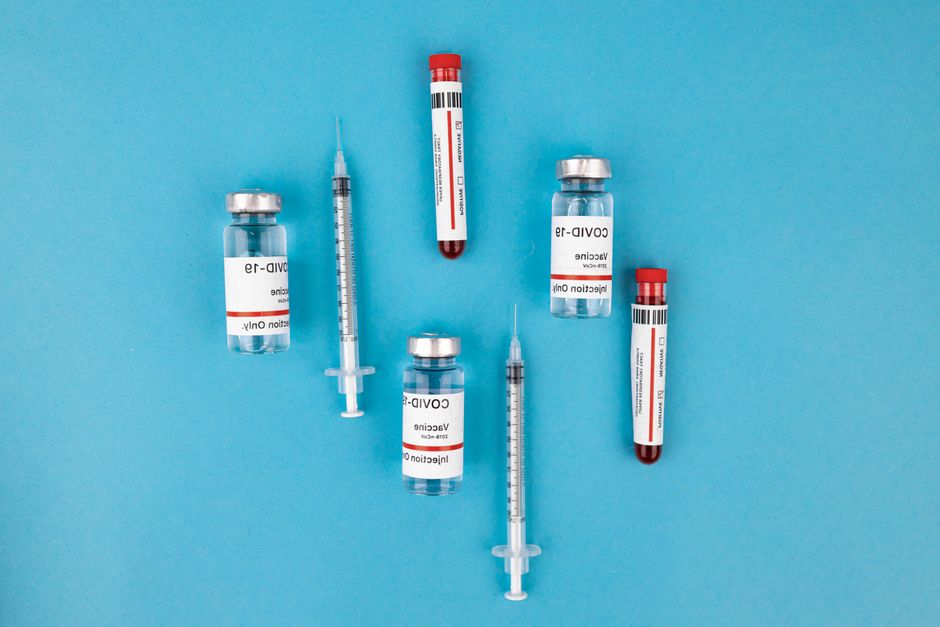
Yellow fever is the one vaccine where you can’t bluff. Several countries — including Brazil, Ghana, Kenya, and Tanzania — require proof of vaccination (the yellow card) for entry if you’re arriving from an endemic area. I’ve been asked for mine at border crossings in Uganda and Rwanda. No card, no entry.
| Country | Requirement | Cost (USD) | Validity |
|---|---|---|---|
| Brazil | Required if arriving from endemic area | $85–$150 | Lifetime (since 2016) |
| Kenya | Required for all travelers over 1 year | $85–$150 | Lifetime |
| Thailand | Required if arriving from endemic Africa/South America | $85–$150 | Lifetime |
| India | Required if arriving from endemic area | $85–$150 | Lifetime |
One dose protects you for life. The WHO changed the recommendation in 2016. If you got the shot before that, you’re still covered. The vaccine is a live attenuated virus — you can’t get it if you’re immunocompromised, pregnant, or allergic to eggs. In those cases, get a medical waiver letter signed by a doctor and carry it with your passport.
Hepatitis A and Typhoid: The Two You’ll Actually Use
I’ve had food poisoning in India, Mexico, and Morocco. I’ve never had hepatitis A or typhoid — because I got the vaccines. These two are the workhorses of travel medicine.
Hepatitis A is spread through contaminated food and water. You don’t need to eat street food to get it. I got sick from a hotel salad in Cairo. The vaccine is two shots, six months apart. The first dose protects you within two weeks. Cost: about $80–$120 per dose. Worth every penny.
Typhoid comes in two forms: an injectable (one shot, lasts 2 years) and an oral capsule (four capsules over a week, lasts 5 years). The oral version is easier to travel with — no refrigeration needed after you pick it up from the pharmacy. I took the oral route before a trip to Nepal. Cost: $80–$130 for the oral, $50–$90 for the shot.
Neither vaccine is 100% effective — hepatitis A is about 95%, typhoid is 70–80%. So you still need to watch what you eat and drink. But the odds shift dramatically in your favor.
Hepatitis B: Worth Getting If You’re Doing Anything Risky
Hepatitis B spreads through blood and bodily fluids. Most travelers don’t need it. But if you plan to get a tattoo abroad, have medical treatment in a developing country, or have sex with new partners, get the shot.
The series is three doses over six months. I got mine before a trip to Vietnam where I knew I’d be getting a tattoo in Hoi An. Cost: about $60–$90 per dose. Most travel clinics offer an accelerated schedule — doses at 0, 7, and 21 days, with a booster at 12 months. It’s not FDA-approved for the accelerated schedule, but it’s widely used and effective.
Don’t skip this one if you’re doing medical tourism. I know someone who needed emergency dental work in Thailand and hadn’t been vaccinated. The dentist’s sterilization practices were questionable. The anxiety alone wasn’t worth the $180 saved.
Rabies: The Vaccine Most People Don’t Need (But I’m Glad I Got)
Rabies is almost always fatal once symptoms appear. The vaccine is expensive — three shots, about $300–$600 total in the US. But here’s the thing: if you get bitten by a potentially rabid animal abroad, you need post-exposure prophylaxis (PEP) immediately. In many countries, PEP is hard to find, expensive, or not available at all.
I got the rabies vaccine before a month-long trip to rural India where I was working with street dogs. The pre-exposure series (three shots over 28 days) means you still need PEP after a bite, but you only need two shots instead of four, and you have more time to find it.
Who should get it: People working with animals, spending significant time in remote areas, or going to countries where rabies immunoglobulin is scarce (most of Asia and Africa). For a two-week vacation in a city, skip it. For a six-month overland trip through Southeast Asia, consider it.
Japanese Encephalitis and Malaria: The Ones Everyone Overthinks

Japanese encephalitis (JE) is a mosquito-borne virus that’s rare but devastating. The vaccine is two shots, 28 days apart, costing $200–$400. I got it before a rice-farming volunteer trip in Thailand. For a standard tourist route — Bangkok, Chiang Mai, beaches — you don’t need it. The CDC recommends it only for travelers spending a month or more in rural farming areas.
Malaria is different. There’s no vaccine widely available yet (the new R21/Matrix-M vaccine is rolling out in Africa, but not for travelers). You prevent malaria with medication: atovaquone-proguanil (Malarone), doxycycline, or mefloquine. I’ve used Malarone for trips to Kenya and Cambodia. Cost: about $4–$6 per pill. Start two days before, take daily during, and continue for a week after leaving the risk area.
Common mistake: Thinking mosquito repellent alone is enough. It’s not. In high-risk areas, combine DEET-based repellent (30-50%), permethrin-treated clothing, bed nets, AND medication. I learned this the hard way in rural Ghana — got dengue despite repellent. Dengue has no vaccine (for travelers) and no treatment. Malaria is preventable. Don’t skip the pills.
Where to Get Your Shots and What It’ll Cost
You have three options: your primary care doctor, a travel clinic, or a pharmacy. Each has tradeoffs.
Primary care: Cheap ($0–$50 copay), but most don’t stock yellow fever vaccine. They’ll refer you elsewhere. I went to my PCP for routine boosters and hepatitis A. Saved about $100.
Travel clinics: Expensive ($100–$300 consultation fee plus vaccine costs), but they have everything in stock and know current outbreaks. Passport Health and TravelMD are the big chains. I used Passport Health before a trip to Peru. The consultation was thorough — they knew about a yellow fever outbreak in Cusco that wasn’t on the CDC website yet.
Pharmacies: CVS MinuteClinic and Walgreens Healthcare Clinic offer most travel vaccines. Yellow fever is hit-or-miss. Cost is similar to travel clinics but no consultation fee. I’ve used CVS for typhoid and hepatitis A. Quick, easy, and you can book online.
| Vaccine | Typical Cost (USD) | Number of Doses | Where to Get It |
|---|---|---|---|
| Yellow Fever | $85–$150 | 1 | Travel clinic, select pharmacies |
| Hepatitis A | $80–$120 per dose | 2 | PCP, pharmacy, travel clinic |
| Typhoid (oral) | $80–$130 | 4 capsules | Pharmacy, travel clinic |
| Rabies | $300–$600 | 3 | Travel clinic |
| Japanese Encephalitis | $200–$400 | 2 | Travel clinic |
Start the process 6–8 weeks before your trip. Some vaccines need multiple doses spaced weeks apart. I once booked a trip to Peru two weeks out and couldn’t get the yellow fever vaccine in time — had to change my itinerary to avoid the Amazon. Don’t be that person.
Most travel insurance doesn’t cover vaccine costs, but your health insurance might. Call your provider first. I saved $400 on hepatitis B shots because my insurance classified them as preventive care. Always check before you pay out of pocket.