
Kyoto is a trap. Not a bad one—the temples are stunning, the bamboo grove is Instagram gold. But after three days of shrines and matcha ice cream, the city starts to feel small. The real magic of a Kyoto trip is what you can reach in under 90 minutes by train. I’ve done all ten of these trips myself, tracked the actual costs, and timed the commutes. Here’s what’s worth your yen and what you can skip.
1. Nara: The 90-Minute Deer-Filled No-Brainer
Nara is the single best day trip from Kyoto. Period. It’s cheap, fast, and delivers something Kyoto can’t: a 1,200-year-old temple with a 15-meter bronze Buddha, plus 1,200 deer that will bow to you for a cracker.
Cost breakdown (per person, 2026 prices):
| Item | Cost (JPY) | Cost (USD approx.) |
|---|---|---|
| Kintetsu Railway round-trip (Kyoto → Nara) | ¥1,280 | $8.50 |
| Todai-ji Temple admission | ¥800 | $5.30 |
| Deer crackers (one pack) | ¥200 | $1.30 |
| Lunch (kasumi soba or local okonomiyaki) | ¥1,200 | $8.00 |
| Total | ¥3,480 | $23.10 |
Train time: 35 minutes on the Kintetsu Limited Express from Kyoto Station. JR takes 50 minutes and costs slightly more. Use Kintetsu.
Verdict: Go. Leave by 8:00 AM, hit Todai-ji first before the crowds, feed the deer in Nara Park, walk to Kasuga Taisha shrine, eat lunch at a local soba shop, and be back in Kyoto by 3:00 PM. You’ll have spent less than ¥4,000 and seen one of Japan’s cultural heavyweights.
2. Osaka: The Food City That Feels Like a Different Planet
Osaka is Kyoto’s loud, messy, delicious cousin. Where Kyoto whispers, Osaka shouts. It’s the place to go when you’re tired of bowing and want to eat grilled octopus balls off a toothpick while standing in a crowded alley.
Train time: 30 minutes on the JR Special Rapid Service from Kyoto Station to Osaka Station. ¥580 one way.
What to do (in order):
- Osaka Castle – Reconstructed but impressive. The museum inside is solid. ¥600 admission. Skip the elevator line; take the stairs.
- Dotonbori – The neon canal district. Go at dusk. Eat takoyaki from a street stall, then kushikatsu (deep-fried skewers) at a stand-up bar.
- Shinsekai – Older, grittier, cheaper. Try the kushikatsu at Yoshino (a local chain, not the sushi place).
Common mistake: Trying to do Universal Studios Japan as a day trip from Kyoto. Don’t. It’s a full day, costs ¥9,800+ for entry, and the train adds 45 minutes each way. Save it for a separate Osaka stay.
Verdict: Worth it for the food alone. If you only have one day, skip the castle and spend four hours eating your way through Dotonbori.
3. Uji: Matcha, a Phoenix Hall, and Zero Crowds
Most tourists skip Uji. Their loss. This small town 20 minutes south of Kyoto is the birthplace of Japanese green tea and home to Byodo-in Temple, the building printed on the ¥10 coin.
Train time: 20 minutes on the JR Nara Line from Kyoto Station to Uji Station. ¥240 one way.
Why it works:
- The temple grounds are compact. You can see the Phoenix Hall, the museum, and the garden in 90 minutes.
- The matcha is legit. Go to Nakamura Tokichi Honten for a bowl of ceremonial-grade matcha and a matcha parfait. Expect a 20-minute wait even on weekdays.
- The Uji River is right there. Walk along the bank. Cross the red bridge. It’s peaceful in a way Kyoto’s tourist zones aren’t.
Verdict: If you’re a tea drinker, this is non-negotiable. If you’re not, it’s still a quiet half-day escape. Combine with a morning in Fushimi Inari (see below) since both are on the JR Nara Line.
4. Himeji: The Real Castle, Not a Concrete Replica
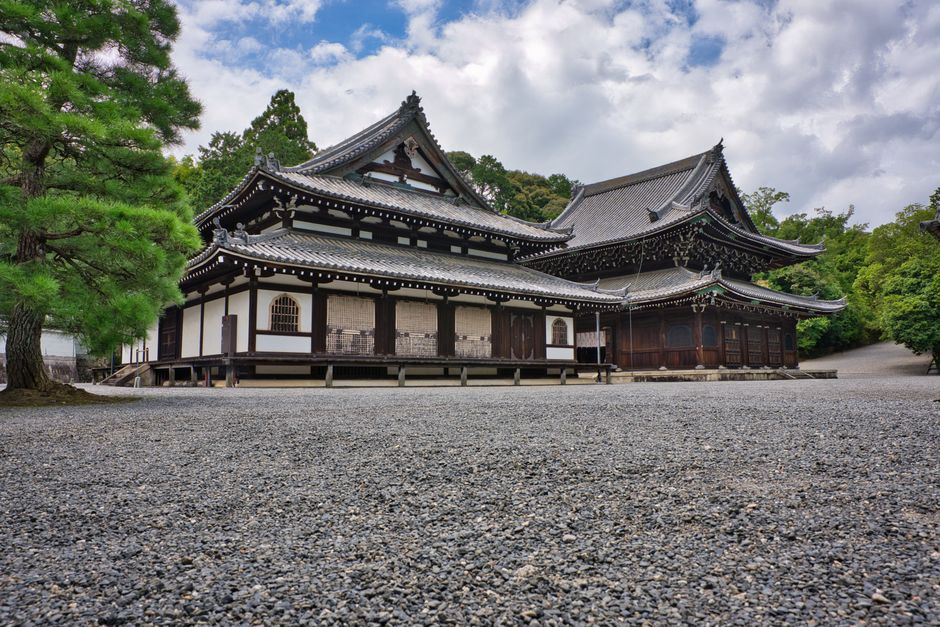
Japan has a lot of castles. Most are concrete reconstructions built in the 1960s. Himeji Castle is the real deal—a 17th-century wooden fortress that survived WWII bombing and earthquakes. It’s the best original castle in Japan.
Train time: 60 minutes on the JR Shinkansen (bullet train) from Kyoto Station to Himeji Station. ¥5,770 one way with a reserved seat. Without a JR Pass, that’s expensive.
If you have a JR Pass: This trip is effectively free (the pass covers the Shinkansen). Do it. If you don’t have a JR Pass: The cost is ¥11,540 round-trip. That’s steep for a half-day trip. I’d skip it unless you’re a castle fanatic.
Verdict: Best castle in Japan, but only worth it with a JR Pass. Without one, spend the money on Nara plus Uji instead.
5. Arashiyama Bamboo Grove: The 7:00 AM Secret
Arashiyama is technically in Kyoto, but it’s far enough west that it feels like a separate trip. The bamboo grove is the main draw. Here’s the hard truth: it’s a 15-minute walk through a bamboo corridor. That’s it.
The trick: Arrive at 7:00 AM. The grove opens to the public 24/7. By 8:30 AM, the tour buses arrive and you’re shuffling shoulder-to-shoulder. At 7:00 AM, you’ll have the place to yourself for photos.
What else to do there:
- Tenryu-ji Temple – Beautiful Zen garden. ¥500. Worth it.
- Okochi Sanso Garden – A former actor’s villa with stunning views. ¥1,000 includes matcha and a sweet. Best value in Arashiyama.
- Iwatayama Monkey Park – A 20-minute uphill hike to feed wild monkeys. ¥600. Fun, but sweaty in summer.
Verdict: Go early, leave by 10:00 AM. The rest of Arashiyama is pleasant but not essential. This is a half-day trip, not a full day.
6. Kobe: Steak, Waterfront, and a Ropeway
Kobe is famous for two things: Kobe beef and a 2011 anime film. The beef lives up to the hype. The city itself is a compact port town with a solid ropeway up Mount Rokko.
Train time: 55 minutes on the JR Special Rapid Service from Kyoto Station to Kobe (Sannomiya Station). ¥1,110 one way.
What to do:
- Kobe Beef lunch – Go to Mouriya (reservations essential) for a teppanyaki course. ¥8,000–¥15,000 per person. It’s the most expensive meal on this list. Worth it once.
- Kobe Nunobiki Herb Gardens – Take the ropeway up (¥1,500 round-trip). Gardens are nice, but the view of Osaka Bay from the top is the real draw.
- Meriken Park – Waterfront area with the Kobe Port Tower and the Earthquake Memorial. Free.
Verdict: Only go if you’re willing to spend ¥10,000+ on lunch. Otherwise, it’s a generic port city. Skip it and do Osaka instead.
7. Fushimi Inari Taisha: The Thousand Gates (Go at Dawn)
Fushimi Inari is Kyoto’s most iconic photo spot—the endless red torii gates. It’s also a 2-hour hike up a mountain. Most tourists walk the first 15 minutes, take a selfie, and leave.
The honest take: The gates are beautiful. The crowds are suffocating by 9:00 AM. Go at 6:00 AM. You’ll have the lower section nearly empty. The full hike to the summit takes 2 hours and is surprisingly steep. Bring water.
Cost: Free. No admission fee.
Train time: 5 minutes from Kyoto Station on the JR Nara Line to Inari Station. ¥140.
Verdict: Do it. But do it at dawn. Combine with Uji the same morning (both on the same train line) for a half-day of culture and fewer tourists.
8. Kurama and Kibune: The Mountain Escape
This is the trip for people who want to get away from tourists entirely. Kurama is a small mountain village north of Kyoto. Kibune is the next valley over. The two are connected by a 2-hour hiking trail through the forest.
Train time: 30 minutes on the Eizan Railway from Demachiyanagi Station to Kurama Station. ¥420 one way.
What to do:
- Kurama-dera Temple – A mountain temple complex with a giant wooden Buddha. ¥500. The hike up is steep but rewarding.
- Kibune River Dining – In summer, restaurants in Kibune set up platforms over the river. You eat soba or kaiseki while the water runs beneath you. Prices start at ¥3,000 for a basic course.
Verdict: Best for nature lovers and people who want to escape the heat. The hiking trail is moderate—wear proper shoes. If you’re not a hiker, just visit Kurama-dera and take the train back.
9. Amanohashidate: The Sandbar That’s Too Far for Most
Amanohashidate is one of Japan’s “Three Great Views.” It’s a 3.6-kilometer sandbar covered in pine trees. The view from the mountaintop is genuinely stunning. The problem? It’s 2 hours each way from Kyoto.
Train time: 2 hours on the JR Hashidate Limited Express from Kyoto Station to Amanohashidate Station. ¥4,800 one way. Total round-trip: ¥9,600.
Verdict: Skip it. The travel time eats your entire day. The view is beautiful, but not ¥9,600 and 4 hours of train time beautiful. You can see a similar pine-covered sandbar at Matsushima near Sendai if you’re ever in northern Japan.
10. Ohara: The Temple You’ve Never Heard Of
Ohara is a small rural town 45 minutes north of Kyoto. It has one major attraction: Sanzen-in Temple, a 1,200-year-old temple with a moss garden that looks like a Ghibli movie set.
Train time: 45 minutes on the Kyoto Bus (not train) from Kyoto Station to Ohara. ¥580 one way. The bus runs every 30 minutes.
Cost: Sanzen-in Temple admission: ¥700. Total trip cost: less than ¥2,000.
Verdict: If you’re templed-out but still want one more, make it this one. The moss garden is peaceful, the crowds are thin, and the bus ride through the countryside is a nice break from the city. Best for the second half of a longer Kyoto stay.
Final Call: Which Trips Should You Actually Book?
You’ve got limited days in Kyoto. Here’s how I’d allocate them:
- Day 1: Nara. Non-negotiable.
- Day 2: Fushimi Inari at dawn → Uji for matcha → back by lunch.
- Day 3: Osaka for food and neon.
- Day 4: Himeji only if you have a JR Pass. Otherwise, Arashiyama at dawn.
Skip Amanohashidate. Skip Kobe unless you’re splurging on beef. The other trips are fillers for longer stays. But Nara, Uji, and Osaka? Those are the three you don’t miss. I’ve done them all, and I’d do them again tomorrow.