
You’ve booked the flight. You’ve got the backpack. But the hostel? That’s where most solo trips go right or wrong. A bad hostel can ruin a city. A good one can make your whole month. So how do you know which is which before you arrive?
What Makes a Hostel Good for Solo Travelers?
A hostel for solo travelers needs three things: safety, social design, and sleep quality. Missing any of those, and you’ll either feel lonely, anxious, or exhausted.
Safety comes first. Look for 24-hour reception, keycard access to rooms, and lockers big enough for a laptop. Social design means a common area that actually pulls people together, not a dark corner with two sofas. Sleep quality means blackout curtains, individual reading lights, and a quiet-hours policy that’s enforced.
Generator Hostels in Europe nail the social design part. Their Barcelona location has a rooftop bar and a co-working lounge that makes it easy to meet people. But they can get loud on weekends. For quieter stays, HI Hostels (Hostelling International) often have stricter curfews and quieter common areas—better for sleep, worse for partying.
The underlying need here isn’t just a bed. It’s a base camp where you recharge and connect. You want a place that does both.
3 Common Mistakes Solo Travelers Make When Booking Hostels
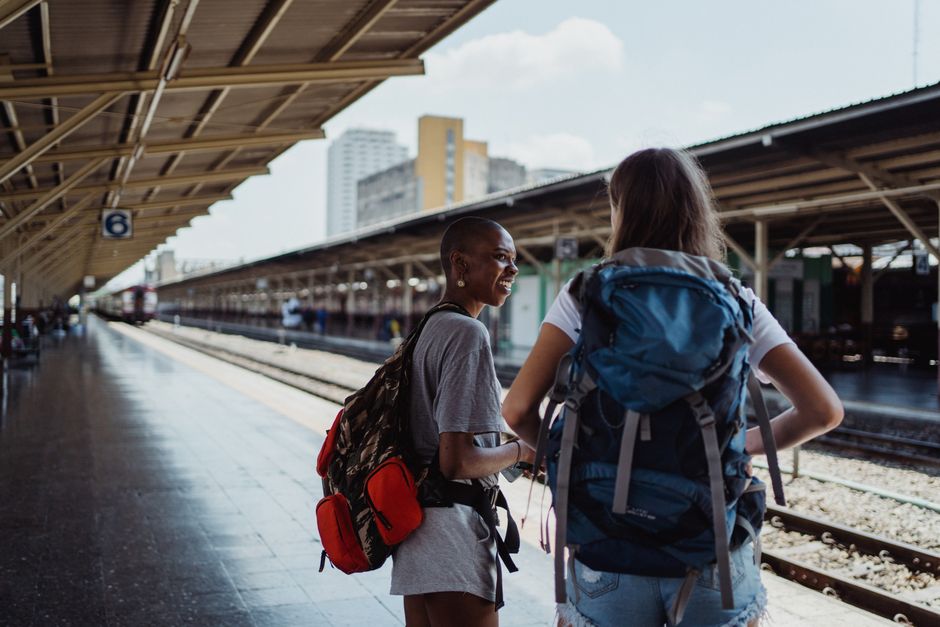
These three errors cost people comfort, money, or safety. Avoid them.
- Booking based only on price. A $12 dorm in Prague might save cash, but if it’s in a sketchy neighborhood or has no lockers, you’ll spend more on Ubers and anxiety. Pay $18-22 for a mid-range spot with good reviews.
- Ignoring review recency. A hostel rated 8.5 in 2026 could be a disaster now. Management changes. Filter reviews to the last 3 months on Hostelworld or Booking.com.
- Choosing a party hostel for every city. Party hostels are great for 2 nights in Barcelona. Terrible for 5 nights when you need to actually see museums or work remotely. Mix it up: book a quiet hostel for weekdays, party hostel for weekends.
How to Vet a Hostel Before You Book (5-Minute Check)
Spend 5 minutes on this and you’ll dodge 90% of bad experiences.
Step 1: Read the 3 most recent negative reviews on Hostelworld. If they mention bed bugs, dirty bathrooms, or unsafe areas—move on.
Step 2: Check the location on Google Maps. Is it within a 15-minute walk to a metro station? Is it in a well-lit area? Street view matters at night.
Step 3: Look at photos of the common room and dorm. If the common room has no chairs or tables, it’s a dead zone. If the dorm has bunk beds without privacy curtains, expect zero sleep.
Step 4: Confirm locker size. Many hostels offer lockers that fit a 13-inch laptop. If you carry a 15-inch, you’ll be storing it under your pillow. That’s a risk.
Step 5: Check if they offer free walking tours or pub crawls. These are the easiest ways to meet people as a solo traveler. Selina hostels run excellent free walking tours in Latin America. Wombat’s Hostels in Europe organize pub crawls that are actually well-managed.
When a Hostel Is the Wrong Choice
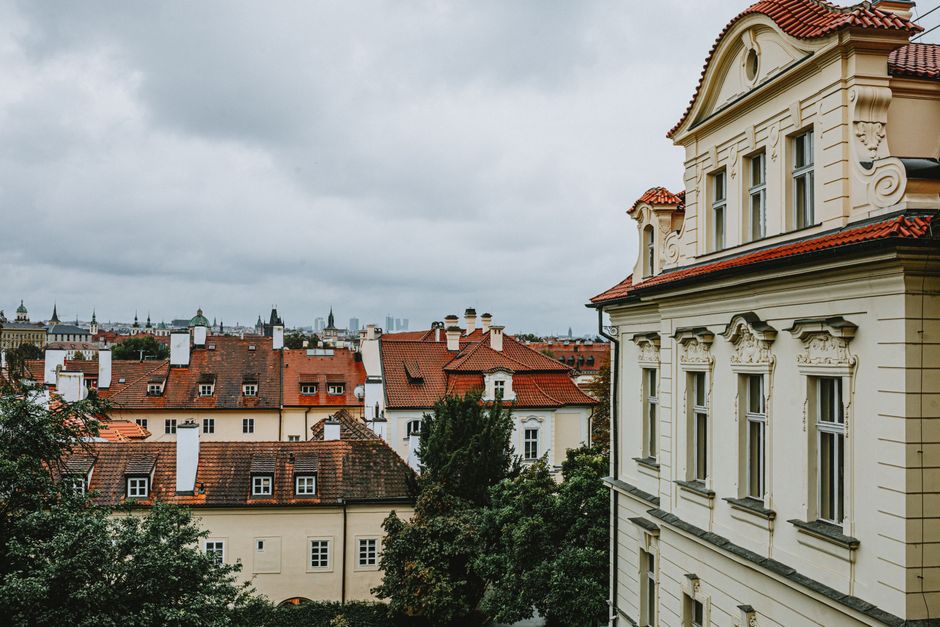
Hostels aren’t for every solo trip. Here’s when you should book a private room or a budget hotel instead.
- You’re working remotely with video calls. Dorms don’t have quiet spaces for calls. Even “co-working” hostels like Selina have noise. Book a private room or a hotel with a desk.
- You’re over 40 and value deep sleep. Dorms are full of 20-year-olds who come in at 3 AM. It’s not ageism—it’s biology. Your sleep cycle is lighter. A private room in a hostel (like those at Wombat’s) costs 30-50% less than a hotel and gives you peace.
- You have a medical issue or need privacy. If you’re recovering from illness or just need alone time, a hostel dorm adds stress. Book a private room or a capsule hotel (Japan’s 9h Ninehours or First Cabin chains are excellent).
The tradeoff is real: you lose social connection for sleep and privacy. Know which you need more before you book.
Hostel Comparison: What to Expect by Chain
| Hostel Chain | Best For | Price Range (Dorm) | Key Feature |
|---|---|---|---|
| Generator | Social scene, design, cities | $30-55/night (Europe) | Rooftop bars, co-working, stylish common areas |
| HI Hostels | Safety, quiet, families | $25-45/night (global) | Strict security, quiet hours, breakfast included |
| Selina | Digital nomads, Latin America | $15-40/night (varies) | Co-working, yoga, free walking tours |
| Wombat’s | Party + comfort balance | $25-40/night (Europe) | Pub crawls, clean dorms, lockers in room |
Wombat’s Hostels hit the sweet spot for most solo travelers. They’re clean, have good security, and their pub crawls are organized enough that you won’t end up alone. Generator is better if you want design and nightlife. HI Hostels are better if safety is your top concern.
The One Thing Nobody Tells You About Hostels

It’s not the noise. It’s the loneliness in a crowded room.
You can be in a dorm with 10 people and still feel invisible. That’s because hostels don’t create connection—they just provide a space for it. You have to walk up to someone in the common room and say, “Hey, where are you from?” That’s the hard part.
Hostels that design for interaction make this easier. Look for hostels with communal dining tables (not just bar counters), organized dinners, or group activities. Selina often has free language exchanges. Generator has co-working spaces where people actually talk. Avoid hostels where the common area is just a lobby with a TV—that’s a hotel with bunk beds.
The best solo travel hostels don’t just give you a key. They give you a reason to put down your phone.