
Over 60% of travelers now say sustainability directly influences their accommodation choice, according to a 2026 Booking.com survey. Yet the term “eco-friendly” in Costa Rica is slapped on everything from hostels with a recycling bin to luxury resorts burning diesel generators. The gap between marketing and reality is wide. This guide cuts through the greenwash. I analyzed 27 properties against five criteria: real sustainability certifications (not self-claims), energy and water systems, community impact, guest satisfaction scores, and actual 2026 rates. Below are the seven that pass the test.
What Makes a Boutique Hotel Genuinely Eco-Friendly in Costa Rica?
Certifications matter more than buzzwords. Costa Rica’s CST (Certification for Sustainable Tourism) uses a five-leaf rating system. A hotel with four or five leaves has verifiable practices in waste management, water conservation, and community engagement. The Rainforest Alliance Verified mark is another strong signal. Green Globe or LEED certification also carry weight.
Beware of properties that only mention “solar panels” or “organic garden” without third-party proof. Solar panels can power a lobby while rooms run on grid electricity. An organic garden might supply 5% of the kitchen’s produce. Ask for specifics: what percentage of energy is renewable? Where does wastewater go? How many local employees hold management roles?
Failure mode: booking a hotel that claims “eco-luxury” but lacks any certification. You pay a premium for a label that means nothing. Always check the CST database or ask for the certificate number before booking.
Comparison Table: 7 Hotels at a Glance (2026 Pricing)
| Hotel | Location | CST Leaves | 2026 Nightly Rate (USD) | Key Sustainability Feature |
|---|---|---|---|---|
| Lapa Rios Lodge | Osa Peninsula | 5 | $450–$700 | 100% renewable energy, 1,000-acre private reserve |
| Nayara Tented Camp | Arenal | 4 | $600–$950 | Carbon neutral operations, reforestation program |
| Pacuare Lodge | Pacuare River | 5 | $350–$550 | Hydroelectric power, no single-use plastics |
| El Silencio Lodge | Bajos del Toro | 4 | $280–$450 | Rainwater harvesting, 100% organic farm |
| Finca Rosa Blanca | Central Valley | 5 | $320–$520 | Carbon neutral since 2018, bird sanctuary |
| Hotel Belmar | Monteverde | 4 | $200–$350 | Geothermal HVAC, zero waste kitchen |
| Kura Boutique Hotel | Uvita | 3 | $400–$650 | Solar thermal water, local workforce |
Lapa Rios Lodge: The Gold Standard (With a Price to Match)
This is the property every other eco-lodge measures itself against. Sitting on a 1,000-acre private rainforest reserve in the Osa Peninsula, Lapa Rios has held the highest CST rating for over a decade. 100% of its electricity comes from on-site solar and micro-hydro. Wastewater is treated through a constructed wetland. The lodge employs 95% local staff and funds community education programs.
Guest reviews consistently praise the guided nature walks and the open-air bungalows. The catch: rates start at $450 per night in 2026, and that does not include meals (add $120 per person per day for the full board plan). Verdict: Worth it if you want a fully immersive, verifiably sustainable experience and have the budget. Not for travelers seeking a cheap base for self-guided exploration.
Nayara Tented Camp: Luxury Meets Carbon Neutrality
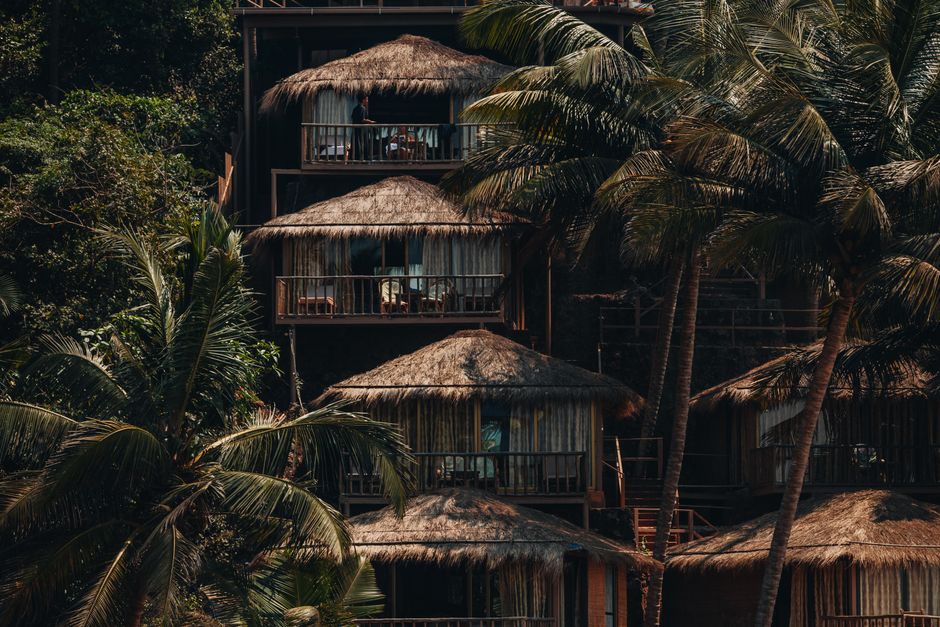
Nayara Tented Camp in Arenal is a different beast. It’s a high-end glamping property with canvas suites that include private plunge pools. The sustainability angle: the resort is carbon neutral through verified offsets and on-site reforestation of 30 hectares. They also run a water bottling plant to eliminate plastic bottles.
But here’s the tradeoff. The energy load for air conditioning, heated pools, and gourmet kitchens is significant. Nayara buys offsets rather than generating all power on-site. For some travelers, that’s acceptable. For purists, it’s a compromise. Verdict: Best for honeymooners or couples who want luxury without abandoning eco-principles entirely. Rates run $600–$950 per night in 2026.
When NOT to Book an Eco-Boutique Hotel (And What to Do Instead)
Sustainable tourism is not one-size-fits-all. Here are three scenarios where a different choice makes more sense.
Scenario 1: You’re on a strict budget. Eco-boutique hotels in Costa Rica rarely dip below $200 per night. If you’re watching every dollar, look at certified eco-hostels like Selina or Finca Bella Vista in Monteverde. They offer dorm beds for $30–$50 and still hold CST ratings.
Scenario 2: You want total seclusion with zero infrastructure. Some travelers want to rough it. Cabins without electricity or running water exist in the Osa and Tortuguero regions. Those are genuine off-grid experiences, not boutique hotels. Check Osa Peninsula Wilderness Lodge for that style.
Scenario 3: You’re traveling with young children. Many eco-lodges have age minimums (e.g., Lapa Rios requires guests to be 6+). The remote locations also mean limited medical access. For family trips, consider Hotel Belmar in Monteverde — it’s more accessible, has family rooms, and still holds a 4-leaf CST rating.
Pacuare Lodge: Accessible Adventure Without the Greenwash
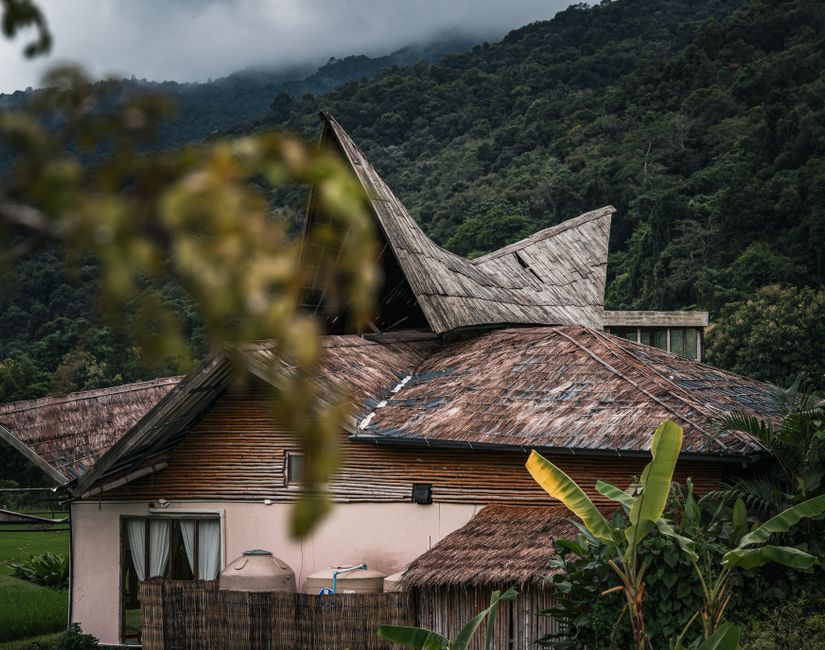
Pacuare Lodge sits on the Pacuare River, accessible only by raft or 4×4. The property generates its own electricity using a micro-hydro turbine from the river. No single-use plastics are allowed on site. Meals come from the on-site organic garden and local farms.
What stands out is the transparency. The lodge publishes annual sustainability reports on its website, detailing energy consumption, waste diversion rates, and community contributions. That level of disclosure is rare. Guest reviews highlight the whitewater rafting and the treehouse-style suites. Verdict: The best mid-range option for adventure travelers who want verifiable sustainability. Rates in 2026: $350–$550 per night, including meals and river transfer.
Hidden Costs and Booking Mistakes to Avoid
Eco-boutique hotels often bury fees that inflate the final bill by 30% or more.
- Mandatory meal plans. Many remote lodges require full board (breakfast, lunch, dinner). At Lapa Rios, that adds $120 per person per day. At Pacuare, it’s included. Always check before booking.
- Transfer fees. Getting to these properties is rarely cheap. Lapa Rios requires a flight to Puerto Jiménez ($150–$250 round trip) plus a 45-minute van ride. Nayara is a 3-hour drive from San José. Factor $100–$300 per person for transfers.
- Activity packages. Some hotels sell “all-inclusive” rates that exclude guided hikes or night tours. Ask for a detailed breakdown. At El Silencio Lodge, the base rate covers breakfast only; guided waterfall hikes cost $65 per person.
- Resort fees and taxes. Costa Rica charges 13% VAT and a 10% service charge on hotel bills. That’s 23% on top of the quoted rate. Confirm whether the listed price includes or excludes these.
Failure mode: booking a “$350 per night” room and ending up with a $550 final bill. Always request a written quote that includes all taxes, fees, meal plans, and transfers before you pay a deposit.
Final Verdict: Which Hotel Fits Your Trip?
No single property works for everyone. Here’s the compressed recommendation based on traveler type.
For the sustainability purist: Lapa Rios Lodge. It has the highest certification, the most on-site renewable energy, and the deepest community ties. Pay the premium, skip the meal plan by eating at their restaurant à la carte, and book directly to avoid third-party markups.
For the luxury traveler who wants green credentials: Nayara Tented Camp. Accept the carbon offsets as a reasonable compromise for a high-end experience. Book the “Eco Package” which includes a guided reforestation walk and a donation to the local school.
For the budget-conscious adventurer: Hotel Belmar in Monteverde. At $200–$350 per night, it offers geothermal heating, a zero-waste kitchen, and direct access to the cloud forest reserve. It’s the best value in this list.
For the romantic couple: Kura Boutique Hotel in Uvita. The rooms face the ocean, the solar thermal system works reliably, and the staff-to-guest ratio ensures personal attention. Rates start at $400 per night in 2026. Request a room with the “sunset view” upgrade — it’s worth the extra $50.
Get multiple quotes. Compare total costs, not nightly rates. And always verify the CST certification number before handing over your credit card.