
Vanuatu presents a specific set of logistical challenges that distinguish it from more developed South Pacific destinations like Fiji or New Caledonia. The archipelago consists of 83 islands, many of which lack basic infrastructure, paved roads, or reliable telecommunications. While the capital, Port Vila, offers a baseline of services, the primary attractions for international visitors—such as the active volcano Mount Yasur on Tanna or the wreck of the SS President Coolidge in Espiritu Santo—are located in regions where medical and logistical support is minimal. Consequently, selecting travel insurance for Vanuatu requires a granular understanding of medical evacuation thresholds, adventure activity tiers, and the financial stability of regional carriers.
Medical Evacuation Costs and Logistics from Remote Islands
The most significant financial risk when visiting Vanuatu is not the cost of local treatment, but the cost of getting out. Port Vila has the Vila Central Hospital, and Luganville has the Northern District Hospital. Neither facility is equipped to handle complex trauma, cardiac emergencies, or advanced neurological issues. For any condition requiring intensive care or surgery, a patient must be stabilized and then evacuated to Brisbane, Australia, or Auckland, New Zealand. This is not a standard commercial flight; it involves a dedicated air ambulance staffed with specialized medical personnel.
Data from regional medical providers indicates that a private medevac flight from Port Vila to Brisbane typically starts at $50,000 USD. If the patient is on a more remote island like Tanna or Pentecost, the cost can escalate to $80,000 or $100,000 USD due to the need for a two-stage evacuation (small plane to Port Vila, then a larger jet to Australia). Without a policy that covers at least $500,000 in emergency medical evacuation, a traveler faces the possibility of being denied transport until payment is guaranteed. Most standard credit card insurances provide insufficient limits for this specific scenario. It is necessary to verify that the policy includes “repatriation of remains” and “bedside nursing” benefits, which cover the costs for a family member to fly to the patient’s location during an extended hospital stay.
Furthermore, the coordination of these flights is complex. A quality insurer will have a 24/7 emergency assistance team that handles the bureaucracy of customs, immigration, and hospital admissions across international borders. When evaluating a policy, the strength of this assistance network is as vital as the coverage limit itself. Travelers should confirm that the insurer has a history of operating in the South Pacific and established relationships with regional air ambulance providers like CareFlight or New Zealand Air Ambulance Service.
Coverage for Volcanic Activity and Natural Disasters
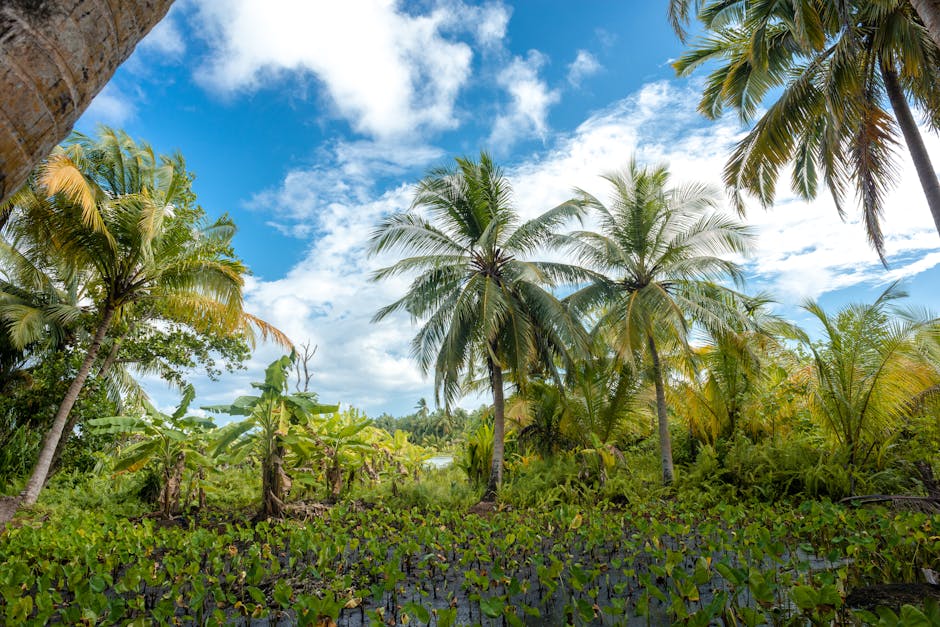
Vanuatu is situated on the Pacific Ring of Fire, making it one of the most geologically active countries on earth. This presents a unique insurance hurdle: the “known event” exclusion. If a volcano like Mount Yasur or Ambae shows increased activity and the government issues a warning before you purchase your policy, any subsequent cancellations or injuries related to that volcano will likely be excluded. Travelers must secure insurance the same day they book their flights or deposits to ensure they are covered for unforeseen geological shifts.
Volcanic ash clouds are a frequent cause of flight cancellations in the region. Unlike a standard thunderstorm, volcanic ash can damage jet engines, leading to the grounding of entire fleets. Your policy must explicitly include “natural disasters” under its trip delay and cancellation clauses. Some budget policies categorize volcanic activity as an “act of God” and exclude it from coverage. Look for wording that specifically mentions “volcanic ash” or “geological events” to avoid being stranded without recourse for hotel and meal expenses during a multi-day delay.
Beyond volcanoes, Vanuatu is prone to tropical cyclones from November to April. If a cyclone is named before you buy your policy, you are not covered for cancellations. This makes the timing of your purchase a critical variable in your risk management strategy. A “Cancel for Any Reason” (CFAR) add-on, while more expensive, provides the highest level of protection against the unpredictability of South Pacific weather patterns. Without CFAR, you are at the mercy of the insurer’s definition of what constitutes a “covered reason” for cancellation, which often requires the total cessation of services for at least 24 hours.
Adventure Sports: Diving the SS President Coolidge and Land Diving
Vanuatu is a premier destination for high-risk activities that are frequently excluded from base-level insurance policies. The SS President Coolidge in Espiritu Santo is one of the world’s largest accessible shipwrecks, but many of its most famous features lie at depths of 30 to 60 meters. A standard travel insurance policy usually caps scuba diving coverage at 15 or 30 meters. To dive the Coolidge safely and remain insured, you must often purchase an “Adventure” or “Extreme” sports rider. This rider should specifically cover decompression illness and the costs associated with hyperbaric chamber treatment, which is available in Port Vila but may require an expensive transfer.
Other activities unique to Vanuatu, such as the Nagol (land diving) on Pentecost Island, fall into a gray area for many insurers. Land diving involves jumping from wooden towers with vines tied to the ankles. Because this is a traditional cultural activity rather than a regulated commercial sport, many underwriters classify it as “reckless endangerment.” If you plan to witness or participate in any traditional ceremonies that involve physical risk, you must disclose this to your insurer in writing to confirm coverage. Similarly, trekking to the rim of Mount Yasur involves exposure to toxic gases and projectile volcanic rocks; ensure your policy does not have a general exclusion for “volcanic trekking.”
For those engaging in off-road trekking or remote island exploration, search and rescue (SAR) coverage is a separate line item from medical evacuation. If you get lost in the dense jungle of Malekula, the cost of a search party and helicopter extraction is not covered by medical insurance unless you have a specific SAR benefit. These benefits are usually capped at lower amounts, such as $25,000, which is sufficient for local search efforts but requires the traveler to be proactive in verifying the inclusion before departure.
Financial Default and Flight Disruptions in the South Pacific
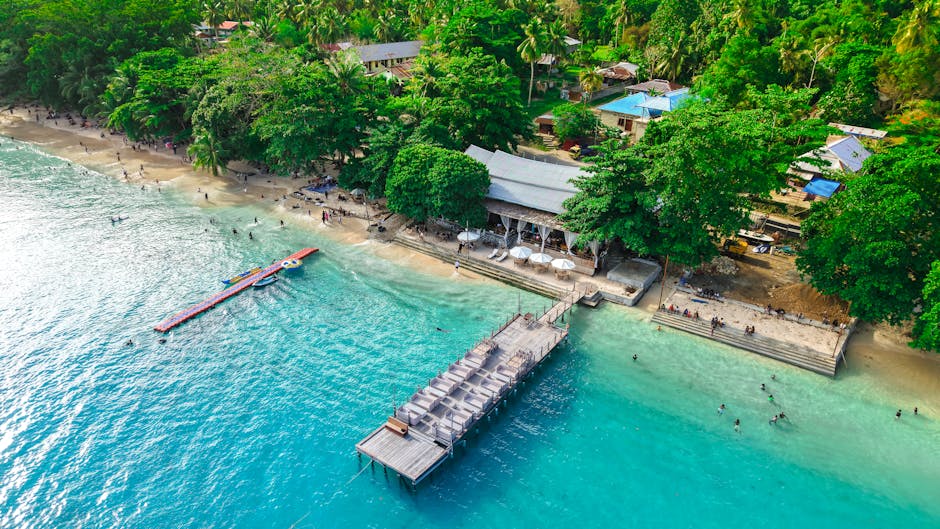
The aviation landscape in Vanuatu has been historically volatile. The national carrier, Air Vanuatu, has faced significant financial and operational hurdles, including a period of liquidation and restructuring in 2024. This creates a specific risk: financial default of a travel provider. Many travel insurance policies exclude coverage if an airline or tour operator goes bankrupt. When traveling to Vanuatu, it is essential to select a policy that includes “Financial Default” as a covered reason for trip cancellation or interruption.
Even when airlines are solvent, the “island time” factor leads to frequent schedule changes. Inter-island flights are often delayed or cancelled due to mechanical issues or grass runway conditions. A robust policy for Vanuatu should have a low threshold for “Trip Delay” benefits—ideally 6 hours or less. This ensures that if you are stuck in Luganville for an extra night because the plane didn’t arrive, the insurer will reimburse your additional accommodation and meal costs. Keep all receipts and obtain a written statement from the airline confirming the reason for the delay, as this is the primary document required for a claim.
The loss or delay of baggage is another common issue on small regional aircraft where weight restrictions are tight. It is not uncommon for bags to be bumped to a later flight. Ensure your policy provides a “Baggage Delay” benefit that allows for the purchase of essential items (clothing, toiletries) after a 12-hour delay. Given the high cost of imported goods in Vanuatu, a benefit of $200-$500 per day is recommended to cover the replacement of basic necessities while waiting for your luggage to arrive from the main hub.
Analyzing the Best Travel Insurance Providers for Vanuatu
Not all insurance providers are equipped to handle the specificities of Melanesian travel. The following table compares four major providers based on their suitability for a 14-day trip to Vanuatu involving scuba diving and outer island travel. Prices are approximate for a 35-year-old traveler from a Tier-1 country.
| Provider | Plan Type | Approx. Price | Pros | Cons |
|---|---|---|---|---|
| World Nomads | Explorer | $140 – $180 | Covers 200+ activities including deep diving and trekking. High medevac limits. | More expensive than basic plans; strict documentation requirements for gear. |
| Allianz | OneTrip Prime | $90 – $120 | Excellent financial default coverage; reputable 24/7 assistance hotline. | Lower limits for adventure sports; many activities require specific riders. |
| SafetyWing | Nomad Insurance | $45 – $60 | Very affordable; easy to extend while traveling. | Limited coverage for high-risk adventure sports; no trip cancellation benefit. |
| InsureMyTrip | Comparison | Varies | Allows you to filter specifically for “Financial Default” and “Medical Evacuation.” | Requires time to compare multiple policies to find the right fit. |
For most travelers to Vanuatu, World Nomads (Explorer Plan) is the most logical choice despite the higher premium. Their inclusion of high-altitude trekking and technical scuba diving (up to 50 meters) covers the specific activities that draw people to Tanna and Santo. However, for a traveler staying primarily in Port Vila resorts, Allianz offers better protection against airline insolvency and trip interruptions at a lower price point. SafetyWing is only recommended for those on a strict budget who are willing to self-insure for trip cancellations and are not participating in deep-sea diving or volcano trekking.
Key Policy Exclusions Every Traveler Should Identify

Understanding what is *not* covered is as important as knowing what is. In Vanuatu, several common behaviors and environmental factors can void a policy. The first is alcohol and drug consumption. Vanuatu has a strong culture around Kava, a traditional sedative drink. While Kava is legal, many insurance policies have broad exclusions for any incident occurring while the insured is “under the influence of any intoxicant.” While there is little case law on Kava-related claims, an insurer could potentially use its sedative effects to deny a claim related to an accident. It is prudent to exercise caution and avoid any high-risk activity after consuming Kava.
Unattended baggage is another frequent reason for claim denial. If you leave your bag on a beach while snorkeling at Hideaway Island and it is stolen, most insurers will refuse the claim because the items were not “secured.” Theft coverage usually requires the item to have been in your physical possession, in a locked hotel safe, or in a locked vehicle out of public view. In the context of Vanuatu’s open-air bungalows (farés), which often lack traditional locks or safes, this creates a significant gap in coverage. Travelers should verify if their policy covers theft from a locked room that does not have a traditional safe.
Pre-existing medical conditions are a standard exclusion unless a waiver is obtained. Given that Vanuatu’s environment is physically demanding—high humidity, intense heat, and rough terrain—minor conditions can quickly escalate. A traveler with a history of cardiovascular issues or respiratory problems must ensure their policy includes a pre-existing condition waiver, which usually requires purchasing the insurance within 14–21 days of making the initial trip deposit. Without this, a heart attack triggered by the heat could be classified as a pre-existing condition, leading to a denial of a $50,000 evacuation claim.
Practical Steps for Filing a Successful Claim in Vanuatu
The success of an insurance claim in Vanuatu depends heavily on the documentation gathered at the scene. If you are a victim of theft, you must obtain a police report within 24 hours. In Port Vila, this is straightforward, but on an island like Ambrym, finding a police officer with the authority and the stationery to write a formal report can be difficult. In such cases, a written statement from a village chief or a resort manager can sometimes serve as a substitute, but you should contact your insurer’s emergency line immediately to ask what alternative documentation they will accept.
For medical claims, the insurer will require a full medical report and an itemized bill. In Vanuatu, many smaller clinics are used to cash payments and may provide only a simple handwritten receipt. You must insist on a formal document that includes the diagnosis, the treatment administered, and the name of the attending physician. If you are being admitted to a hospital, contact your insurer before paying any large sums. The insurer can often issue a “Guarantee of Payment” (GOP) directly to the hospital, which prevents you from having to pay thousands of dollars out of pocket. This is particularly important for air evacuations, where the costs exceed the daily withdrawal limits of most credit cards.
Finally, maintain a digital trail. Photograph all receipts, police reports, and medical documents as soon as you receive them. Internet connectivity in the outer islands of Vanuatu is often limited to 2G or 3G speeds, making it difficult to upload large files. Store these images locally on your device and email them to yourself as soon as you reach a stable Wi-Fi connection in Port Vila or at the airport. Having a timestamped digital copy of your documents is the best defense against the loss of physical paperwork during the journey home. When you submit your claim, provide a clear, chronological narrative of the events, linking each expense to a specific piece of evidence. This level of organization significantly reduces the processing time and the likelihood of a dispute with the adjuster.