
Australia presents a unique paradox for the independent voyager. It is simultaneously one of the safest nations on earth and one of the most physically demanding to navigate alone. The sheer scale of the continent—roughly the size of the contiguous United States but with the population of Florida—dictates that solo travel here requires more than just a sense of adventure; it requires a rigorous understanding of logistics. For those moving between the coastal hubs and the arid interior, the primary challenge is not the people, who are notoriously gregarious, but the vast distances that separate points of interest. A solo traveler in Western Australia might drive for six hours without passing more than two petrol stations. This isolation demands a level of self-reliance that differs significantly from solo tripping through the densely packed rail networks of Europe or the bustling bus routes of Southeast Asia.
Success in the Land Down Under depends on your ability to bridge these gaps. Whether you are navigating the humid tropics of the Top End or the sophisticated laneways of Melbourne, your strategy must adapt to the regional infrastructure. The following analysis breaks down the essential components of a solo Australian expedition, focusing on the systems that allow an individual to move safely and affordably through a landscape that is as unforgiving as it is beautiful. We will examine the specific tools, costs, and social frameworks that define the modern Australian solo experience.
How to Navigate Australian Transport Networks Alone
The movement of a single person across 7.6 million square kilometers is an exercise in cost-benefit analysis. Unlike a group of four who can split the cost of a rental car and fuel, the solo traveler must weigh the convenience of a private vehicle against the structured reliability of public networks. In the city centers, transport is a non-issue. Sydney’s Opal card system and Melbourne’s world-class tram network (including the Free Tram Zone in the CBD) make urban exploration seamless. However, the true Australian experience lies in the transit between these hubs. For those traveling solo, the Greyhound Australia Whimit Pass is often the most logical investment. This pass allows for unlimited travel on Australia’s most extensive coach network for a set period.
The Greyhound Whimit Pass vs. Domestic Air Travel
A 15-day Whimit Pass currently retails for approximately $349 AUD. For a solo traveler, this is an exceptional value compared to the cumulative cost of individual bus tickets or the fluctuating prices of domestic flights. The primary advantage of the coach is the ability to see the changing landscape and stop in smaller towns like 1770 or Airlie Beach that aren’t served by major airports. The disadvantage is the temporal cost. A bus journey from Sydney to Brisbane takes roughly 12 to 14 hours. If your time is limited, low-cost carriers like Jetstar or Bonza offer flights that can be cheaper than a bus if booked well in advance. However, be wary of the Jetstar 7kg carry-on limit; they are notoriously strict at the gate, and excess baggage fees can instantly negate any savings.
| Transport Method | Estimated Cost (Solo) | Pros | Cons |
|---|---|---|---|
| Greyhound Whimit Pass | $349 AUD (15 Days) | Flexibility, social environment, no fuel costs. | Extremely long travel times, fixed routes. |
| Budget Flight (Jetstar) | $80 – $250 AUD (One-way) | Fast, covers massive distances in hours. | Strict luggage limits, airport transfer costs. |
| Relocation Rental (Campervan) | $1 – $5 AUD per day | Incredible value, includes accommodation. | Strict deadlines, solo fuel costs are high. |
The Viability of Solo Car Rentals and Relocations
Renting a car solo is usually the most expensive way to see Australia due to the “single-driver” burden of fuel and insurance. Petrol prices in regional areas can soar to $2.20 AUD per liter or higher. One clever workaround for the solo traveler is the “relocation” rental. Companies like Imoova or Jucy often need to move vehicles from one city to another (e.g., Cairns to Sydney) and will rent them for as little as $1 a day. While this solves the accommodation and rental cost, the solo traveler still bears the full brunt of the fuel bill, which can be substantial over a 2,500-kilometer journey. Furthermore, driving at dawn or dusk is discouraged due to the high risk of wildlife collisions—kangaroos are a genuine hazard for a lone driver on a remote highway.
Solo travelers should download the FuelCheck app (for NSW) or GasBuddy to track the cheapest petrol prices in real-time, as prices can vary by 30 cents per liter between neighboring suburbs.
Managing the High Cost of Solo Travel in Australia
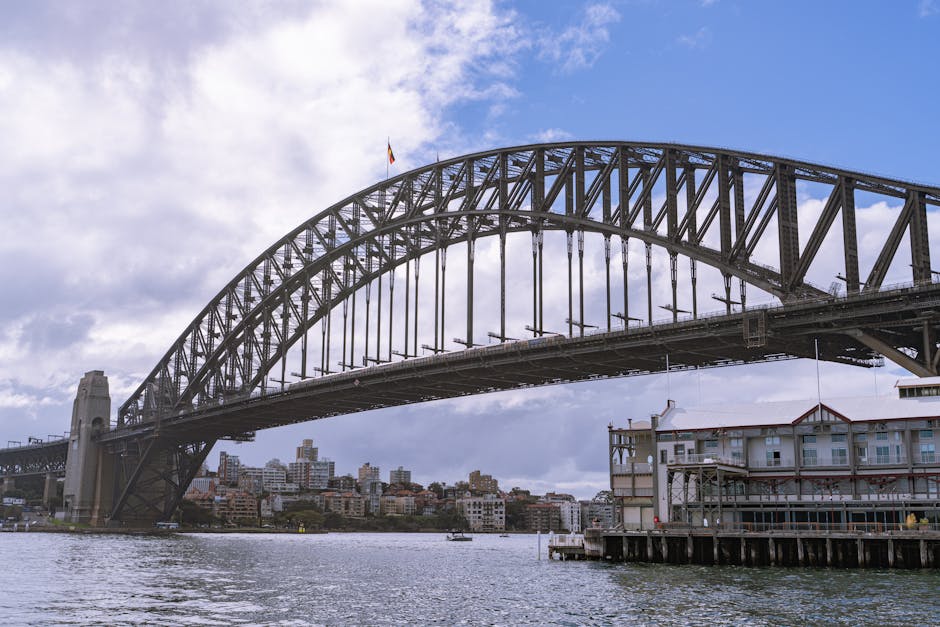
Australia is frequently cited as one of the most expensive destinations for solo travelers. The “single supplement”—the extra fee charged to a person staying alone in a double room—is a persistent thorn in the side of the budget-conscious. To mitigate this, the hostel culture in Australia is highly developed and caters to more than just the partying demographic. YHA Australia is a standout organization here. Unlike some independent hostels, YHA properties (like the one at Sydney Harbour or the Blue Mountains) often provide a more mature, quiet environment with high-quality private rooms that are significantly cheaper than traditional hotels.
Strategic Accommodation Choices
A private room in a high-end hostel usually costs between $120 and $160 AUD, whereas a basic hotel room in Sydney or Melbourne starts at $220 AUD. For those comfortable with shared spaces, a bed in a 4-6 person dorm averages $45 to $60 AUD. The real value of hostels for the solo traveler, however, is the communal kitchen. Dining out in Australia is a premium experience; a basic pub meal (a “parma” and a beer) will rarely cost less than $30 AUD. By utilizing the “Big Two” supermarkets—Coles and Woolworths—a solo traveler can reduce their daily food spend by 70%. Look for “Yellow Sticker” markdowns in the late afternoon for immediate savings on proteins and prepared salads.
Leveraging the Working Holiday Infrastructure
Even if you are not on a Working Holiday Visa (Subclass 417 or 462), you can benefit from the infrastructure built for them. Many hostels offer “weekly rates” that aren’t advertised on booking sites. If you plan to stay in one location like Byron Bay or Perth for more than five days, always ask the front desk for a long-stay discount. Additionally, Facebook groups like “Australia Solo Travelers” or “Backpackers Australia” are vital for finding “rideshares.” By offering to chip in for fuel and help with the driving, a solo traveler can join a group heading to the Great Ocean Road or the Red Centre, effectively slashing their transport costs while gaining immediate social connections.
- Coles/Woolworths: Essential for grocery staples. Use their rewards cards (Everyday Rewards/Flybuys) for occasional discounts.
- ALDI: The cheapest option for bulk snacks and dry goods, though less common in very remote areas.
- YHA Membership: Costs about $15 AUD and provides a 10% discount on all YHA stays, which pays for itself in three nights.
Staying Safe and Connected in Remote Regions
Safety for a solo traveler in Australia is less about crime and more about environmental awareness. The urban centers are remarkably safe, with low rates of violent crime compared to other Western nations. However, the environment is a different matter. If you are traveling solo through the Northern Territory or the vast stretches of the Nullarbor, connectivity is your most important safety asset. Many international travelers arrive with a roaming plan that relies on the Optus or Vodafone networks. This is a mistake. In regional Australia, Telstra is the only provider with a footprint that covers significant portions of the bush.
The Telstra Advantage and Emergency Communication
A Telstra Pre-Paid SIM (starting at approximately $35 AUD) is a non-negotiable safety item. While Optus has improved, there are still vast “black spots” where only Telstra signals penetrate. For those planning solo hikes in places like the Grampians or the Larapinta Trail, even a mobile phone isn’t enough. The Garmin inReach Mini 2 (Approx. $600 AUD) is a device I highly recommend for the serious solo explorer. It allows for two-way satellite messaging and has a dedicated SOS button that alerts local search and rescue teams. It requires a subscription, but for someone walking the trails of Tasmania alone, it is the difference between a minor mishap and a fatal one.
Navigating the Health System and Emergency Services
Australia’s emergency number is 000. It is free to call from any phone, even one without a SIM card. Solo travelers should also download the Emergency Plus app. This app uses your phone’s GPS to provide your exact latitude and longitude to the operator—crucial when you are on an unnamed road in the middle of the Kimberley. In terms of healthcare, travelers from countries with reciprocal healthcare agreements (like the UK, New Zealand, and several EU nations) can access essential treatments through Medicare. However, this does not cover ambulance trips, which can cost upwards of $1,000 AUD. Private travel insurance is mandatory for the solo traveler because you don’t have a partner to help manage the logistics of an unexpected hospital stay.
| Safety Tool | Purpose | Why it’s vital for Solo Travelers |
|---|---|---|
| Telstra SIM Card | Network Coverage | Ensures signal in rural towns where others fail. |
| Emergency Plus App | Location Tracking | Gives precise coordinates to 000 operators. |
| Garmin inReach Mini 2 | Satellite SOS | Works where there is zero cell service. |
| Wikicamps App | Offline Maps | Locates water, toilets, and campsites without data. |
Building a Social Network as a Solo Traveler
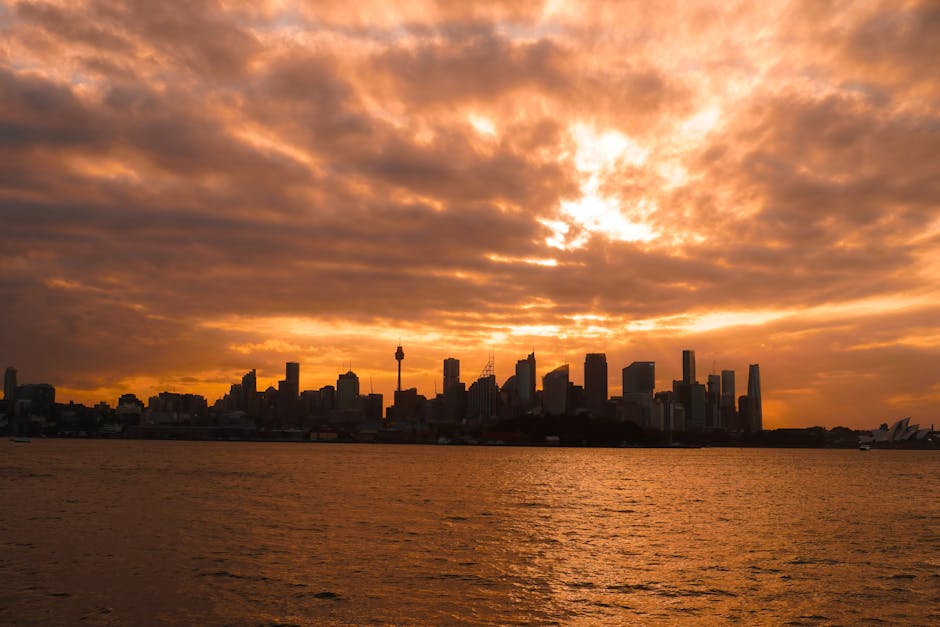
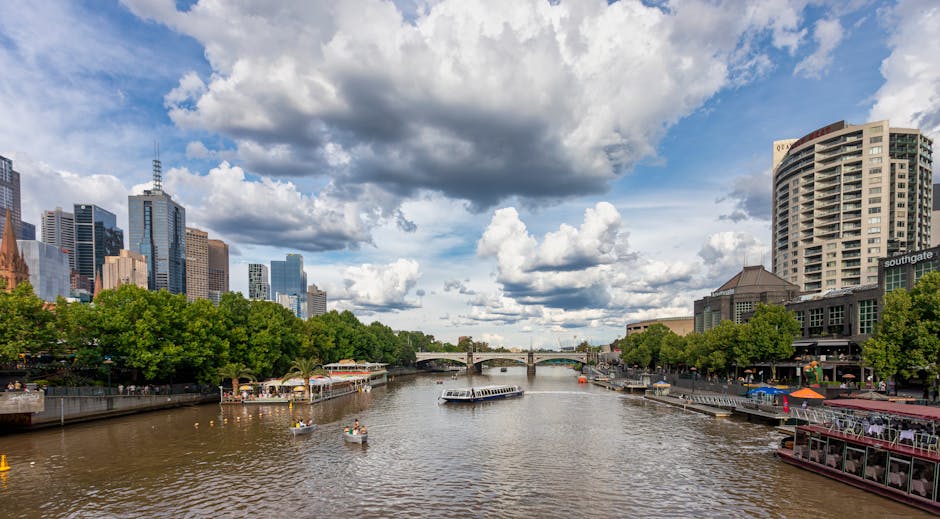
The psychological aspect of solo travel—the potential for loneliness—is often overlooked in logistical guides. Australia’s social culture is centered around the “mate ship” philosophy, which makes it relatively easy to strike up a conversation. However, the sheer size of the country means people are constantly moving. To build a temporary community, you must be intentional. Small-group tours are an excellent way to break up a solo trip. Companies like Intrepid Travel or G Adventures offer “Basix” or “Original” style tours that cater specifically to solo travelers by pairing you with a same-sex roommate or offering a low-cost single supplement.
The Role of Organized Group Tours
An Intrepid 6-day tour of the Red Centre (approx. $1,400 AUD) might seem expensive, but when you factor in the 4WD transport, meals, a guide, and the safety of a group in a harsh environment, the value proposition for a solo traveler is strong. These tours remove the “decision fatigue” that often plagues solo travelers who have been managing their own logistics for weeks. More importantly, they provide an immediate social circle. If you prefer to remain independent, look for “Free Walking Tours” in major cities. They are a staple in Sydney, Melbourne, and Brisbane, and they are the primary meeting ground for solo travelers on their first day in a new city.
Digital Communities and Local Etiquette
Beyond hostels and tours, digital platforms are highly effective in Australia. Meetup.com is very active in the coastal cities for everything from solo hiking groups to language exchanges. For women traveling solo, the “Girls LOVE Travel” or “Australian Solo Female Travelers” Facebook groups are moderated communities where you can find vetted travel partners or local advice. When interacting with locals, the vibe is generally informal. Don’t be surprised if a stranger calls you “mate” or strikes up a long conversation at a pub. The Australian “pub culture” is inclusive; sitting at the bar rather than a table is a universal signal that you are open to conversation. This is particularly true in regional “outback” pubs, which serve as the town’s social hub.
Ultimately, solo travel in Australia is about managing the tension between freedom and preparation. The country rewards those who respect its scale. By securing a reliable communication method, choosing accommodation that facilitates social interaction, and understanding the nuances of the transport network, the solo voyager can move from being a mere spectator to an active participant in the Australian landscape. The distances are long, the sun is harsh, and the costs are high, but the autonomy of standing alone on a beach in the Whitsundays or watching the sunrise over Uluru is a profound experience that justifies every bit of the meticulous planning required to get there.