
If you are looking for the absolute highest tier of luxury in Puerto Rico, your search effectively begins and ends with Dorado Beach, a Ritz-Carlton Reserve, though the St. Regis Bahia Beach provides a compelling, slightly more nature-focused alternative at a marginally lower price point. For travelers who prioritize urban accessibility and historical architecture over secluded beachfronts, the Condado Vanderbilt remains the standard-bearer in the San Juan metro area. Choosing between these properties is not merely a matter of budget—though the price delta can be thousands of dollars per night—but rather a decision about the specific type of friction you are willing to tolerate in exchange for high-end service. Puerto Rico offers a unique value proposition as a U.S. territory where domestic travelers can bypass customs, yet the luxury infrastructure remains concentrated in a few specific enclaves that vary wildly in their delivery of the ‘tropical escape’ promise.
Comparing the top-tier luxury resorts in Puerto Rico for different traveler needs
The luxury landscape in Puerto Rico is bifurcated between the sprawling, gated estates of the north coast and the historic, high-density corridors of San Juan. When we look at the data regarding guest satisfaction and amenity density, three properties consistently emerge as the leaders, though they cater to vastly different demographics. A family seeking a multi-generational retreat will find the residential-style villas at Dorado Beach indispensable, whereas a couple looking for a sophisticated, high-energy social scene will likely find the Fairmont El San Juan more aligned with their expectations. It is a mistake to assume that a higher price tag automatically equates to a ‘better’ experience if the resort’s core philosophy clashes with your travel objectives.
Key Luxury Properties: Pricing and Feature Comparison
| Resort Name | Approx. Nightly Rate (USD) | Primary Strength | Potential Drawback |
|---|---|---|---|
| Dorado Beach, a Ritz-Carlton Reserve | $1,400 – $3,500 | Unrivaled privacy and personalized ‘Embajador’ service. | Extreme price point; dining options can feel limited over long stays. |
| The St. Regis Bahia Beach Resort | $800 – $1,800 | Audubon International Gold Signature Sanctuary setting. | The ocean can be rough; beach is less ‘manicured’ than Dorado. |
| Condado Vanderbilt Hotel | $450 – $1,200 | Exceptional fine dining and urban sophistication. | Small beach footprint; located in a high-traffic city area. |
| Fairmont El San Juan | $400 – $900 | Iconic nightlife and legendary lobby atmosphere. | Can be loud; caters to a high-volume social crowd. |
Dorado Beach, a Ritz-Carlton Reserve, operates on a different plane of existence than almost any other property in the Caribbean. Built on the former Laurance Rockefeller estate, the resort emphasizes ‘low-impact’ luxury. The rooms are designed to blur the line between indoors and outdoors, with many featuring private plunge pools and outdoor showers. But this level of seclusion comes with a logistical reality: you are roughly 45 to 60 minutes from San Juan. If your goal is to explore the cobblestone streets of Old San Juan every night, the transit time will become a significant burden. Conversely, the Condado Vanderbilt offers a 1919-era opulence that feels like a slice of Manhattan moved to the tropics. The service here is formal, the spa is world-class (featuring the only Hammam in Puerto Rico), and the proximity to the city’s best restaurants is a major advantage. However, the beach is public and often crowded, which might disappoint those dreaming of a deserted island vibe.
Analyzing the logistical differences between San Juan urban luxury and secluded coastal estates
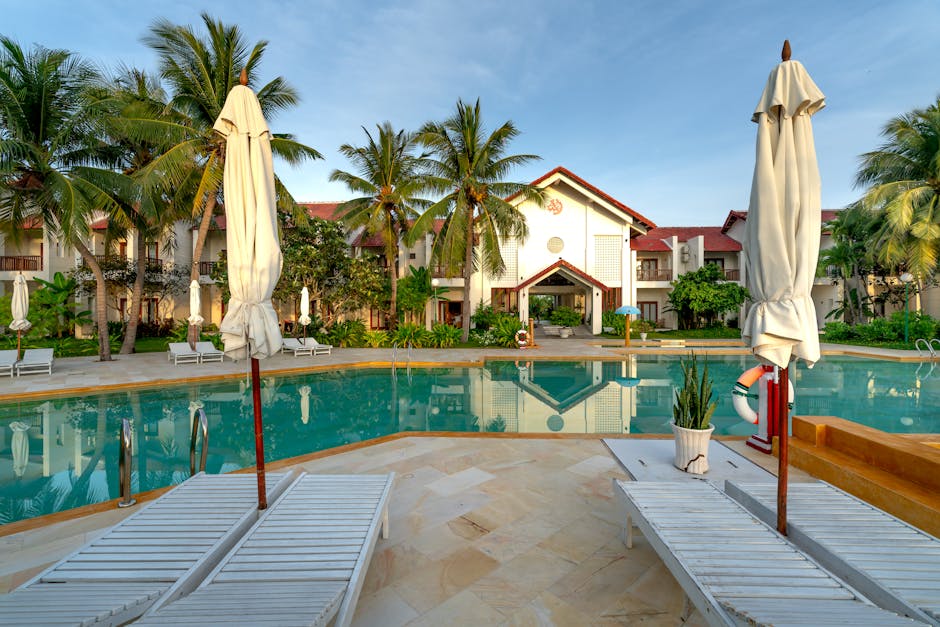
One of the most frequent points of confusion for travelers is the geographical distribution of Puerto Rico’s luxury assets. The island is larger than many realize, and traffic in the San Juan metropolitan area is notoriously dense. Choosing an urban resort like the Condado Vanderbilt or the Fairmont El San Juan means you are trading tranquil silence for convenience. You can walk to high-end boutiques, local bistros, and art galleries. This is an ‘active’ luxury experience. You are part of the pulse of the city. For some, the ability to leave the resort gates and find a world-class meal at a local spot like Vianda or Santaella is the definition of a great trip. But for others, the sounds of sirens or the hum of city traffic are the very things they are trying to escape.
The Reality of Coastal Seclusion
Moving outside the city to Rio Grande (home to the St. Regis) or Dorado creates a different set of challenges. These resorts are self-contained ecosystems. Once you pass through the security gates, you are in a curated environment where every blade of grass is accounted for. The St. Regis Bahia Beach, for instance, is situated on 483 acres of a former coconut plantation. It is remarkably quiet. You will see iguanas, exotic birds, and lush tropical flora. But you are also a captive audience for the resort’s dining establishments. While the Jean-Georges Vongerichten-influenced ‘Paros’ is excellent, the lack of external options within a 20-minute drive means you will be paying resort prices for every meal. This is a crucial trade-off to acknowledge. If you value the ability to ‘explore’ without a 40-minute Uber ride, the coastal estates might feel restrictive after the third or fourth day.
Transportation also plays a role in the luxury experience. While San Juan resorts are a 15-minute drive from Luis Muñoz Marín International Airport (SJU), reaching Dorado or Bahia Beach requires a pre-arranged private transfer or a rental car. We generally advise against renting a car if you plan to stay exclusively at a high-end resort, as valet fees can exceed $40 per night and the car will likely sit idle. Private transfers, while expensive (ranging from $150 to $300 each way), offer a seamless transition that matches the caliber of the destination. And it is worth noting that the ‘prestige’ of these resorts often means they have dedicated airport lounges or expedited check-in processes that can mitigate the stress of arrival.
A deep dive into the specific amenities and service standards of Dorado Beach vs. St. Regis Bahia Beach
When comparing the two ‘titans’ of Puerto Rican luxury—Dorado Beach and St. Regis Bahia Beach—the nuances in service philosophy become apparent. Dorado Beach follows the ‘Reserve’ brand standards, which are even higher than the standard Ritz-Carlton experience. Every guest is assigned an ‘Embajador’ (Ambassador) who functions as a high-level concierge and personal assistant. They handle everything from dinner reservations to unpacking your luggage. In our research, the responsiveness of the Embajador team is often the deciding factor for repeat guests. If you need a specific type of sunblock or a last-minute tee time on the East Course, it happens with a single text message. This level of anticipatory service is what justifies the $2,000+ nightly rate.
Amenity Breakdown: Golf, Spa, and Dining
- Golf Infrastructure: Dorado Beach offers three distinct courses, with the TPC Dorado Beach East Course being the standout. It is widely considered the best in the Caribbean. St. Regis features a Robert Trent Jones Jr. course that is equally beautiful but perhaps slightly less challenging for the scratch golfer.
- Spa Experiences: Spa Botánico at Dorado Beach is an apothecary-style sanctuary set in a pineapple grove. It emphasizes local ingredients and outdoor treatments. The Iridium Spa at St. Regis is more traditional but offers a level of clinical excellence and privacy that is hard to fault.
- Beach Quality: This is a point of contention. Dorado Beach’s lagoons are protected by man-made rock breakwaters, creating calm, swimmable water year-round. St. Regis occupies a more ‘wild’ stretch of Atlantic coast. The waves can be significant, and the water is often churned up, making it less ideal for casual wading but more dramatic for those who enjoy the sound of heavy surf.
The culinary programs at these resorts also reflect their differing identities. St. Regis leans heavily into its partnership with Jean-Georges, offering a menu that is sophisticated and global. Dorado Beach tends to lean more into ‘refined coastal’ cuisine, with a focus on fresh seafood and Puerto Rican flavors elevated through modern techniques. However, it is important to mention that Dorado Beach has recently seen some turnover in its signature dining concepts, so it is wise to check the current lineup before booking if you are a dedicated foodie. Both resorts offer exceptional breakfast spreads, but the St. Regis ‘Sabering’ ritual—where a bottle of champagne is opened with a sword every evening—adds a layer of theatricality that Dorado lacks. But if you prefer quiet, barefoot luxury over choreographed moments, Dorado remains the superior choice.
The distinction between ‘luxury’ and ‘ultra-luxury’ in Puerto Rico is often found in the density of the staff-to-guest ratio. At Dorado Beach, you rarely see a staff member who doesn’t already know your name and your room number by the second day of your stay.
Understanding the financial and seasonal realities of high-end travel in the Puerto Rican market
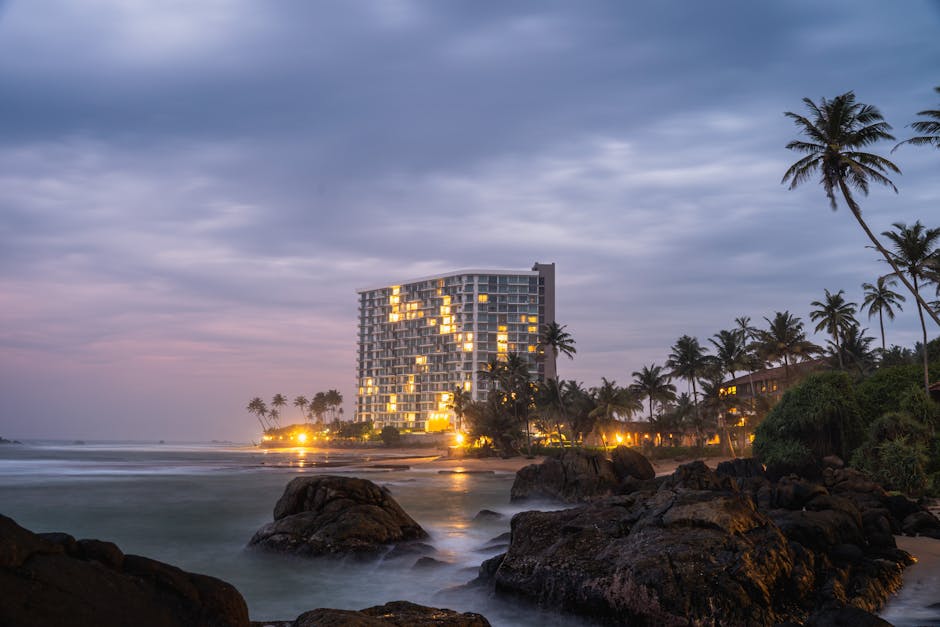
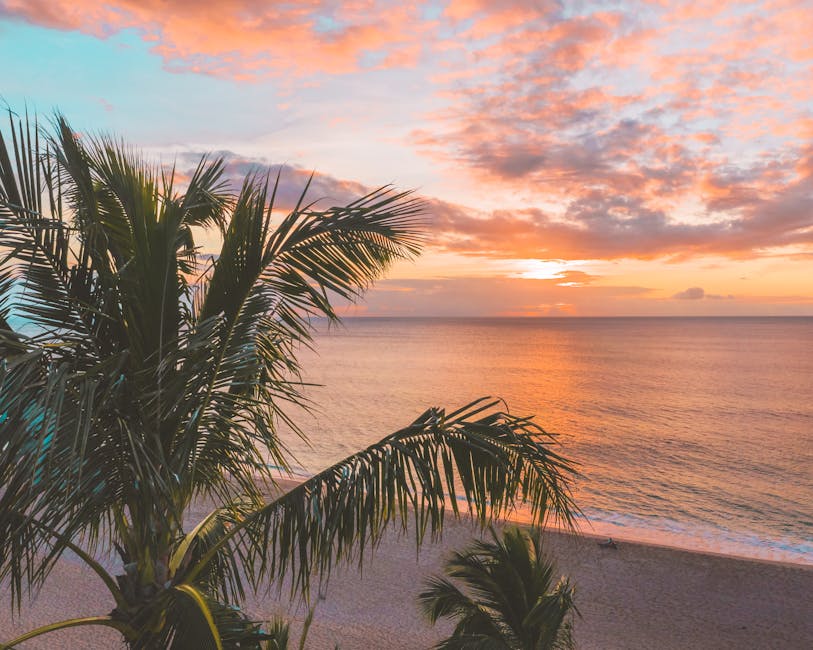
The cost of luxury in Puerto Rico is subject to extreme seasonal fluctuations. The ‘Festive’ season (late December through early January) sees prices triple, with many resorts requiring a 7-night minimum stay. During this period, a base room at Dorado Beach can easily exceed $5,000 per night. Conversely, the ‘shoulder’ seasons of May-June and October-November offer significantly better value, though you must contend with the increased risk of rain and hurricane activity. For the analytical traveler, the best window is often late April or early December, when the weather is stable, the crowds are manageable, and the resorts are fully staffed but not at 100% capacity.
Hidden Costs and the ‘Resort Fee’ Phenomenon
Even at the highest levels of luxury, Puerto Rico resorts are fond of the ‘Resort Fee’ or ‘Sustainability Fee.’ These can range from $50 to $150 per day and are rarely included in the initial quoted price. Furthermore, the 11% government tax on hotel rooms and the ubiquitous 20-22% service charge on all food and beverage can lead to significant ‘sticker shock’ upon checkout. If you are staying at a property like the Royal Isabela—a boutique luxury option on the northwest coast known for its dramatic cliffs and ‘Casitas’—you may find the pricing more transparent, but the overall cost of a high-end Puerto Rican vacation will almost always be 25-30% higher than the base room rate once all variables are accounted for.
Service standards on the island are generally high, but they operate on ‘island time.’ Even at a St. Regis, the pace of life is slower. This is not a lack of professionalism, but rather a cultural difference in how ‘urgency’ is perceived. If you expect the hyper-efficient, almost robotic service of a Tokyo or Zurich luxury hotel, you may find yourself frustrated. But if you can adjust your internal clock, you will find the staff in Puerto Rico to be among the most genuinely warm and hospitable in the world. They take pride in their island and their culture, and that pride often translates into a level of care that feels more authentic than the polished service found in more corporate environments. For the traveler who values human connection over mere efficiency, this is the true luxury of Puerto Rico.
Ultimately, the ‘best’ resort is the one that minimizes your specific stressors. If you hate long drives, stay in Condado. If you need total silence, go to Bahia Beach. If you want the absolute best that money can buy and don’t mind paying for it, Dorado Beach is the only answer. Each of these properties offers a distinct version of paradise; the success of your trip depends on your ability to match your personal requirements with the resort’s operational strengths. Puerto Rico is not a ‘one size fits all’ destination, and its luxury market is a testament to the island’s diverse and complex identity.