
You’ve done Tuscany. You’ve eaten pasta in Bologna. You’ve had the same Aperol Spritz on the Amalfi Coast. What’s next? I asked myself the same question last spring, and the answer was a 1,200-mile loop through Molise, Le Marche, and Basilicata — three regions most tourists skip. I ate caciocavallo aged in caves, drank wine from grapes I’d never heard of, and spent less in a week than I’d spend in two days in Florence. Here’s exactly how to plan that trip, down to the kilometer.
Why These Three Regions Work Better Than Tuscany
I’m not saying Tuscany is bad. I’m saying it’s crowded and expensive. A plate of pici cacio e pepe in Siena runs you €18 now. In Molise, the same quality hand-rolled pasta costs €8, and the waiter actually talks to you.
These regions share three things that matter for a foodie road trip:
1. They’re connected by slow roads. The SS17 and SS87 cut through mountains and olive groves. No autostrada boredom.
2. Every town has a food specialty. Not a generic trattoria — a specific dish that only exists there.
3. You’ll be the only tourist. In five days, I heard English spoken maybe three times. That’s the point.
The biggest mistake people make? They try to cover too much ground. I met a couple in Matera who’d driven from Milan in one day. They were exhausted. They couldn’t taste anything. My rule: never drive more than 2.5 hours between food stops. That’s the sweet spot for appetite and attention span.
My Exact 7-Day Route (With Drive Times)
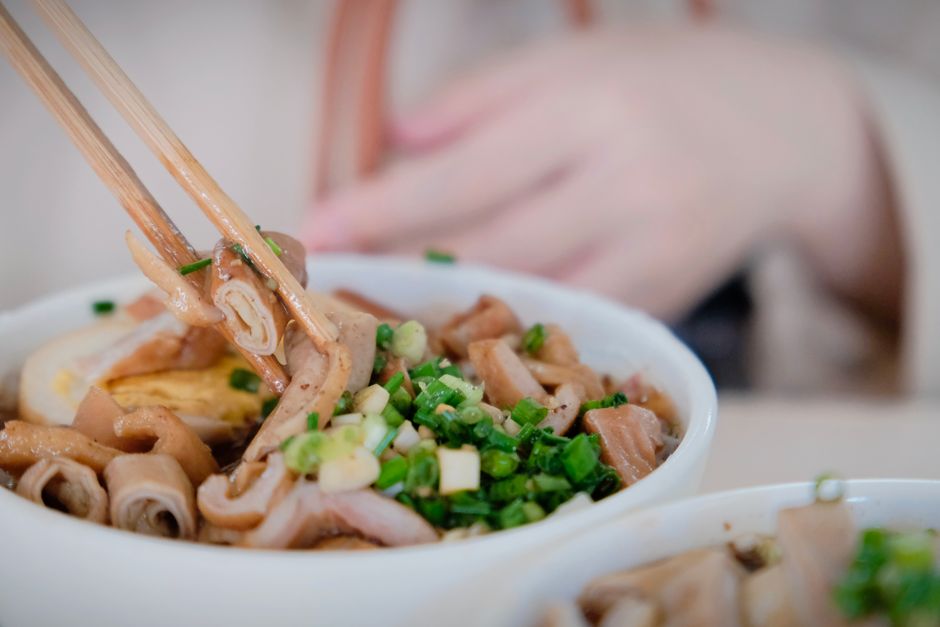
I flew into Rome, grabbed a rental from Hertz at Fiumicino (€280 for the week, manual Fiat 500X), and headed east. Here’s the loop I’d replicate:
| Day | Route | Drive Time | Food Focus |
|---|---|---|---|
| 1 | Rome → Campobasso (Molise) | 2h 30m | Pasta e fagioli, cavatelli |
| 2 | Campobasso → Termoli (coast) | 1h 15m | Brodetto alla termolese (fish stew) |
| 3 | Termoli → Ascoli Piceno (Le Marche) | 2h 10m | Olive all’ascolana (stuffed fried olives) |
| 4 | Ascoli Piceno → Urbino | 1h 30m | Casciotta d’Urbino cheese, truffle hunting |
| 5 | Urbino → Matera (Basilicata) | 5h (split with lunch in L’Aquila) | Pecorino di Farindola, cured meats |
| 6 | Matera (full day) | 0 | Crapiata (lentil stew), bread from ancient ovens |
| 7 | Matera → Rome | 4h 30m | Last-chance caciocavallo at Autogrill |
Day 5 is the long one. I broke it by stopping in L’Aquila (Abruzzo) for lunch — arrosticini (sheep skewers) at Taverna 5, €12 for a dozen. Worth the detour.
Where to Eat and What to Order
I don’t trust TripAdvisor in Italy anymore. Too many paid reviews. Instead, I used two tricks: look for the “Osteria Tipica” sign (it’s a regional certification in Le Marche) and ask the local baker. Bakers know everyone.
Here’s where I ate and what you should order:
- Osteria del Borgo (Campobasso, Molise) — Cavatelli with lamb ragù. €10. The pasta is hand-rolled, the lamb is from the mountains. I went back twice.
- La Locanda del Pettirosso (Ascoli Piceno, Le Marche) — Olive all’ascolana. €8 for a plate of 10. They’re stuffed with veal and pork, breaded, fried. Life-changing.
- Ristorante Francesca (Matera, Basilicata) — Crapiata. €9. It’s a peasant soup of lentils, beans, and wheat. Simple. Perfect. Eat it with their house-made bread.
- Caseificio De Felice (Capracotta, Molise) — Caciocavallo aged 18 months. €15/kg. They’ll let you taste three ages before you buy. I bought the 18-month and ate it on bread for three days.
One hard lesson: don’t order the tasting menu. I did once in Urbino. Five courses. €45. I was full after three and felt like I’d wasted the last two. Stick to one or two dishes you actually want.
The Budget That Actually Works (And Where You’ll Overspend)
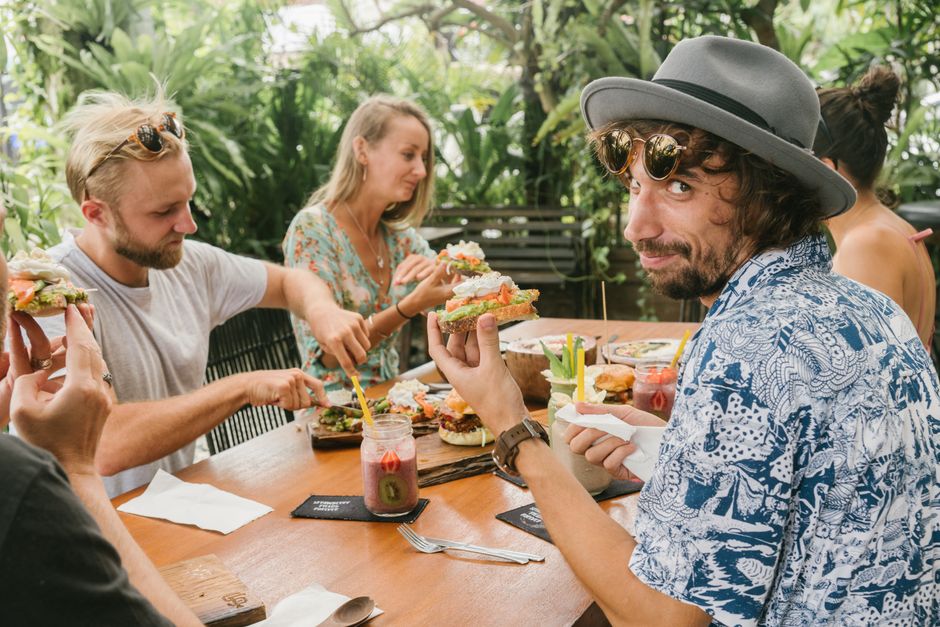
I tracked every euro. Here’s what I spent:
- Rental car + fuel: €280 + €110 (diesel, 1,200 km)
- Accommodation: €75/night average (agriturismo in Molise, B&B in Matera)
- Lunches: €10-12 each (always the menu del giorno)
- Dinners: €25-35 including wine (never the tourist trap near the piazza)
- Food souvenirs: €60 (cheese, cured meats, olive oil)
Total: about €950 for seven days. That’s half of what I’d spend in Tuscany for the same quality.
Where do people overspend? Wine. I paid €28 for a bottle of Barolo in a Matera restaurant. It was good. I could have bought the same bottle at a local enoteca for €14. Ask for the vino della casa (house wine). In Le Marche, it’s often a Verdicchio or Rosso Piceno, and it’s €4 for a half-liter. Drink that.
Another trap: guided food tours. €60 for a three-hour walk where they show you a cheese shop and a bakery. You can do that yourself in twenty minutes. Just walk into the shop, say “posso assaggiare?” (can I taste?), and buy what you like.
When This Trip Isn’t for You (And What to Do Instead)
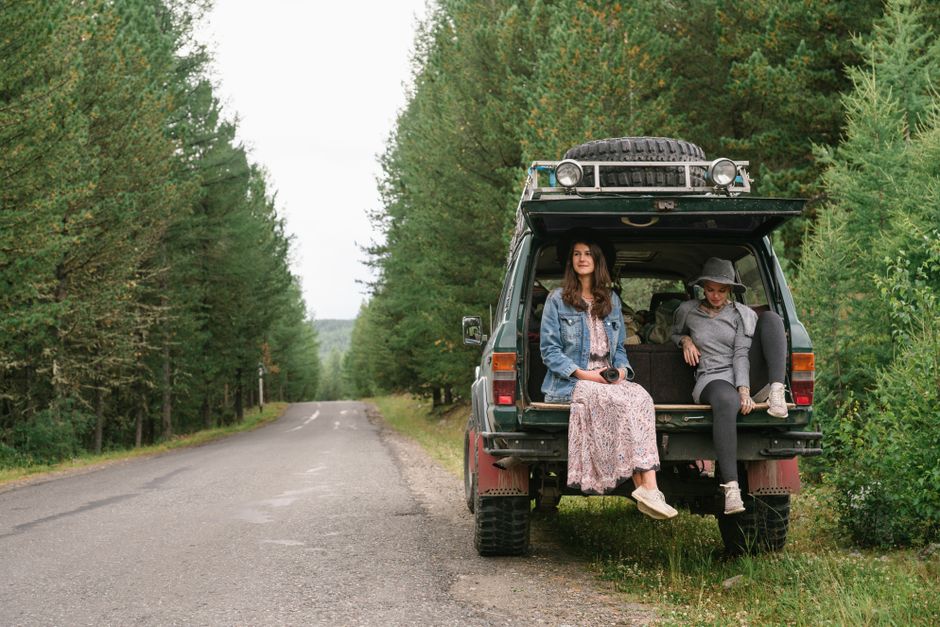
I’m not going to pretend this works for everyone. If you’re traveling with kids under 10, this route is a grind. The mountain roads wind. The restaurants aren’t kid-friendly. My friend tried it with his four-year-old and spent most meals walking him around the piazza while his wife ate alone. Stick to coastal Puglia with kids — flatter roads, more beaches, pizza everywhere.
If you’re vegetarian, you’ll struggle in Basilicata. The cuisine is built around lamb and pork. You can find vegetable dishes, but the best stuff is meat. Go to Sicily instead — the caponata and pasta alla Norma are world-class, and the street food is mostly vegetable-based.
And if you hate driving? Don’t do this. The roads are narrow, the GPS loses signal in the mountains, and Italian drivers tailgate like it’s a sport. I loved it. You might not. Take the train to smaller towns instead — the Ferrovia Adriatica runs along the coast from Ancona to Bari, and you can hop off at San Benedetto del Tronto or Giulianova for seafood.
But if you want to taste Italy the way Italians actually eat, away from the crowds and the overpriced menus, this route is the one. I’m already planning my next loop — through Calabria and Molise again. The caciocavallo is calling.