
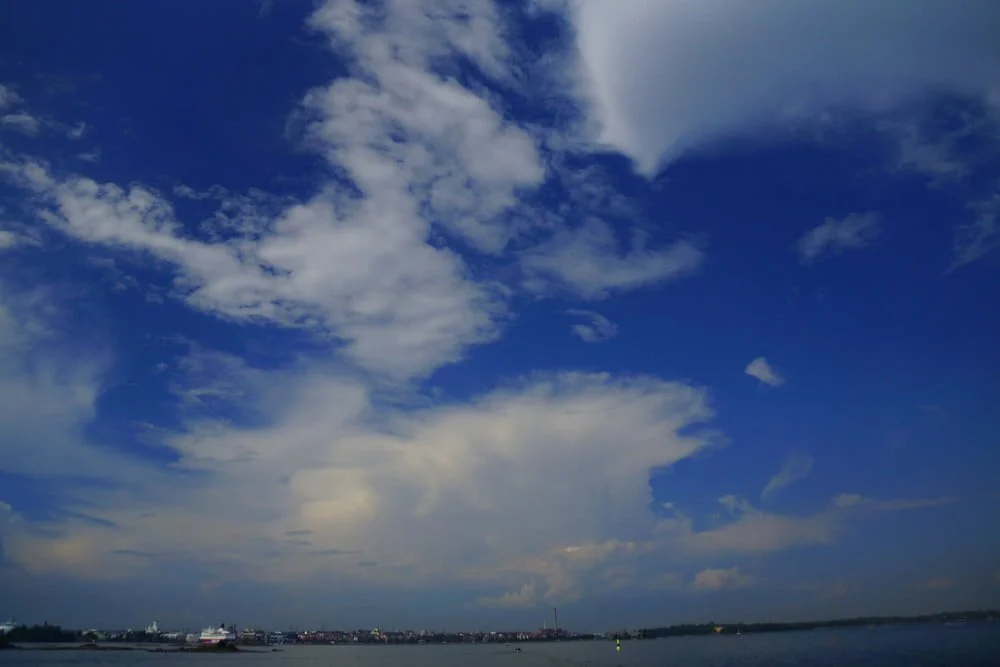
Most first-time visitors assume Suomenlinna is a quick detour — something to knock out in 90 minutes before heading back to Helsinki for dinner. That estimate falls apart fast. The fortress complex covers six interconnected islands, more than 80 hectares, and holds over 200 historic buildings, a functioning brewery, and a WWII submarine open for interior walk-throughs. Most people who plan two hours end up wishing they had planned for four.
This guide covers ferry logistics, which attractions actually justify your time, the planning errors that commonly cost visitors half their day, and a realistic itinerary. Ferry schedules and admission prices change seasonally — verify current information directly with HSL and the Suomenlinna Service Centre before visiting.
Getting to Suomenlinna: Ferry Schedule, Tickets, and Cost
The ferry departs from Helsinki’s Kauppatori Market Square, right along the southern waterfront. The crossing takes approximately 15 minutes. This is not a tourist vessel — HSL (Helsinki Region Transport) operates it as part of the city’s standard public transit network, which means a regular Helsinki transit ticket covers the fare. No special booking required.
HSL Ferry vs. JT-Line Water Bus
Two operators run the route. The HSL ferry accepts standard Helsinki transit tickets, day tickets, and the Helsinki Card. JT-Line operates a private water bus with slightly more departures during peak summer months, but at higher fares with no transit integration.
| Operator | One-Way Fare (2026 estimate) | Frequency | Accepts Helsinki Card? | Journey Time |
|---|---|---|---|---|
| HSL Ferry | ~€3 (standard transit ticket) | Every 20–40 min (seasonal) | Yes | ~15 min |
| JT-Line Water Bus | ~€6–8 one way | Every 40–60 min (summer only) | No | ~20 min |
For most visitors, the HSL ferry is the right call. A day ticket (approximately €8 as of 2026) covers all Helsinki public transit for 24 hours, including the ferry both ways — giving you the Suomenlinna crossing as part of a broader transit package. JT-Line makes more sense only if you’re arriving late in the evening and the HSL timetable has thinned out.
What to Expect When You Board
The ferry terminal sits on the south side of Market Square, clearly signed in Finnish and English. In summer, arrive 10 minutes early on weekends — the boats fill quickly and the next departure can be 30+ minutes away. On the island side, the main pier deposits you on Iso Mustasaari, the central island where visitor services and the main museums cluster. Bridges connect the other islands from there, and walking routes are generally well marked. Bring the free paper map available at the pier information board. Without it, backtracking is common — the bridges between islands aren’t always signed from every approach.
What Suomenlinna Actually Is
A UNESCO World Heritage Site since 1991, Suomenlinna is an 18th-century sea fortress built by Sweden in 1748 to defend against Russian expansion — a mission it ultimately failed when Sweden ceded Finland to Russia in 1809. Finland took control after independence in 1917. About 800 people live there permanently today, which makes it one of the world’s few inhabited UNESCO sites. It’s not a ruin. It’s a working community with a school, a brewery, and its own post office.
Attractions Worth Your Time on the Islands
Suomenlinna has eight museums. Not all of them justify equal attention. Here is where most visitors typically find the best return on time:
- Vesikko Submarine — A WWII-era Finnish submarine open for interior tours from May through September. The interior is genuinely cramped — less than two meters wide in some sections — which makes it more impressive, not less. Adults pay approximately €5. This is the most distinctive attraction on the island and commonly fills visit windows on peak summer weekends, so don’t leave it until late afternoon.
- Suomenlinna Museum — The main history museum in the old barracks building. Entry is free. The audiovisual presentation runs about 25 minutes and provides enough historical context to make the rest of the walking tour more meaningful. Go here before you head out to the fortifications.
- Ehrensvärd Museum — Dedicated to Augustin Ehrensvärd, the Swedish general who designed and oversaw construction of the fortress. His tomb is on-site. Admission is approximately €4. Best for visitors with a specific interest in 18th-century military architecture and Swedish-Finnish history.
- King’s Gate — The formal ceremonial entrance to the fortress, at the southern tip of Kustaanmiekka island. Reaching it requires a 25–30 minute walk south from the main pier. The gate is architecturally well-preserved, and the sea-facing cannon positions offer some of the best unobstructed Baltic views on the islands. Fewer visitors make the walk, which means substantially less crowding.
- The Ramparts and Bastions — Free to walk. The defensive walls connect several islands and include intact cannon emplacements. The views back toward Helsinki’s skyline from the eastern bastions are the most-photographed sight in the complex.
What to Skip If Time Is Short
The Toy Museum and the Military Museum are worthwhile for families with young children or dedicated military history enthusiasts. For most visitors working within a 3–4 hour window, they’re skippable. The Customs Museum is small — typically 15 minutes — and the content is fairly niche. Prioritize the Vesikko, the main museum, and the King’s Gate walk before considering these.
A Realistic Day Trip Itinerary
Most itinerary guides offer vague windows. This one is specific.
10:00 AM — Arrive and Start at the Suomenlinna Museum
Take the 9:40 or 10:00 AM ferry from Market Square. You arrive by 10:15. The Suomenlinna Museum opens at 10 AM — go there first, before crowds build. The audiovisual presentation starts on the hour. Aim for the 10:30 showing if you arrive slightly late. Budget 45 minutes total, including the exhibits and picking up the free map from the front desk.
11:15 AM — Vesikko Submarine and Eastern Ramparts
Walk northeast from the museum toward the Vesikko Submarine. The path is marked, but the museum map makes navigation cleaner. Allow 30 minutes inside. From there, follow the eastern rampart walk — this stretch has the most intact cannon emplacements and clear sightlines back to Helsinki. On a clear day, you can identify the Cathedral dome and the Olympic Stadium tower from here.
By 12:30 PM, you’re ready for a break. Café Piper, near the main pier area, is the most popular café on the island — and gets crowded accordingly by noon. The smaller café in the fortress interior on Susisaari has shorter lines. Better option if weather cooperates: pick up lunch from Market Square before your morning ferry and eat on the ramparts. The views are excellent, and you avoid the midday restaurant wait entirely.
1:30 PM — Walk to King’s Gate
After lunch, take the bridge-connected path south through Susisaari to Kustaanmiekka. The walk takes 25–30 minutes at a comfortable pace. King’s Gate sits at the southern end. The adjacent cannon batteries face open Baltic water rather than Helsinki harbor — the views are different from the eastern ramparts and worth the walk for that reason specifically.
If you’ve budgeted for the Ehrensvärd Museum, this is the moment — it’s directly adjacent to the Gate. Allow 30–40 minutes. By 3:00 PM, head north back to the pier and catch the 3:40 or 4:00 PM HSL ferry. You’re back at Market Square by 4:15, with the evening free.
Total island time: approximately 5 hours. Covers all major sites without rushing. Working with only 3 hours? Cut the Ehrensvärd Museum, shorten the rampart walk, and skip the western islands — you’ll still reach the Vesikko, the main museum, and King’s Gate.
What About the Western Islands?
Länsi-Mustasaari is largely residential — a dry dock, a summer beach, and quieter paths. Worth the additional 45 minutes on a long summer day if you want to see where permanent residents actually live. For a standard first visit, most people skip it without missing anything essential.
Mistakes That Derail Suomenlinna Visits
- Arriving without a map. The island paths aren’t always obvious, and bridges between islands aren’t signed from every approach. The free paper map from the pier or the museum prevents most navigation problems. The Suomenlinna app is usable too, but connectivity on the islands can be spotty — the paper version is worth having as backup.
- Going in bad weather without adjusting expectations. The best parts of Suomenlinna are outdoors — the ramparts, King’s Gate, the cannon bastions. A cold rainy day compresses the experience significantly toward the indoor museums, which alone don’t typically fill four hours. Check the Helsinki forecast before committing to a specific date.
- Assuming the Vesikko submarine is open year-round. It opens May 1 and closes September 30. Visitors who arrive in October or March expecting submarine access are regularly disappointed. The main Suomenlinna Museum is open year-round, but the Vesikko is not.
- Underestimating cash needs. Museum shops and the main cafés accept cards. Some smaller food stands near the pier are cash only, particularly early in the season. €10–15 in cash covers any gap without issue.
- Missing the return ferry schedule. HSL runs ferries until late evening, but gaps between departures grow after 6 PM. Check the current timetable on the HSL app before you arrive and pick your return window in advance. Sprinting for a boat in wet shoes is avoidable.
Best Season to Visit — and When to Lower Your Expectations
Go in June or July. That’s the clearest answer for most travelers.
In summer, the Vesikko submarine is running, all eight museums operate full hours, outdoor cafés have seating, and Helsinki’s extended daylight means you’re not racing against sunset. The ferry runs every 20 minutes during peak periods. Late June through mid-August is the fortress operating at its best.
August and early September are nearly as good. Finnish school holidays end around mid-August, which reduces weekend crowding slightly. The Vesikko stays open through September 30. Weather in September can be unpredictable, but autumn light on the Baltic is excellent for photography.
Winter visits are viable — the fortress doesn’t close — but the experience is materially different. The Vesikko is shut, several smaller museums run reduced winter hours (typically 11 AM–3 PM), and the HSL ferry runs less frequently. Some visitors find the snow-covered fortifications genuinely beautiful. That’s a legitimate reason to visit in January. But if this is your only trip to Suomenlinna, winter is generally not the optimal window for getting the full picture.
Spring (late April and May) is mixed. Weather is variable, the Vesikko typically opens May 1, and crowds haven’t built yet. A reasonable compromise if summer dates aren’t available.
Guided Tour vs. Self-Guided: Which Makes More Sense
Self-guided visits work well for most travelers. A guided tour adds real value in one specific situation: when you want historical depth beyond what museum placards and the free audiovisual content provide. Official guides typically know the construction details of individual bastions, the personal histories of the officers who designed them, and the occupation-era logistics that the general exhibits don’t cover. That level of context changes how you read the landscape.
| Factor | Self-Guided | Official Guided Tour |
|---|---|---|
| Cost | ~€3 ferry + ~€5–10 museum entry | ~€15–20 per person (ferry typically included) |
| Schedule flexibility | Complete control | Fixed 2-hour window |
| Historical depth | Moderate (museum materials + audio) | High — guide context adds significant value |
| Best for | Families, photographers, relaxed walkers | History enthusiasts, solo travelers wanting context |
| Language options | English materials in all museums | English, Finnish, Swedish — verify current availability |
| Vesikko included? | Yes, on your own schedule | Typically yes in premium tour packages |
Guided tours are bookable through the Suomenlinna Service Centre on the island or through Visit Helsinki’s official ticketing platform. For groups of four or more, a private guide frequently costs a similar per-person rate to a public group tour — and covers more of the complex on your schedule rather than the standard route.