
You’re at the gate, boarding pass in hand. The airline agent eyes your bag. It looks fine to you, but they declare it ‘too big’ and slap you with an unexpected gate check fee. You’re left fuming, knowing you just blew part of your travel budget. This scenario is frustratingly common, especially when you thought you snagged a deal on new luggage. Finding a good deal on carry-on luggage means more than just a low price tag. It requires understanding airline rules, evaluating construction, and knowing which features truly matter for your travel style. A smart purchase prevents future headaches and unexpected costs.
The Carry-On Conundrum: Avoiding Gate Check Fees
The gate check scenario isn’t just about an extra fee. It’s about lost time, potential damage to your belongings, and the inconvenience of waiting at baggage claim. Airlines enforce size limits strictly, sometimes with physical sizers at the gate. If your bag doesn’t fit, it gets checked. This often means paying an exorbitant fee that negates any sale savings you thought you achieved. Many travelers believe their existing bag is compliant, only to find out it isn’t, usually at the worst possible moment.
Hidden Costs of Non-Compliant Luggage
The immediate cost is the gate check fee, which can range from $35 to $75 or more for domestic flights, and even higher for international routes. Beyond that, consider the time lost. You might miss a tight connection if your bag needs to be retrieved from baggage claim. There’s also the risk of damage. Checked bags are handled roughly. Fragile items in a carry-on might not survive the journey in the cargo hold. An ill-fitting bag costs more than money; it costs peace of mind.
The Variability of Airline Rules
Airline carry-on rules are not universal. While there’s a loose IATA guideline, each airline sets its own specific dimensions. A bag that fits on one carrier might be too large for another. Budget airlines are particularly stringent. Always check the exact dimensions for your specific airline before you fly. This proactive step prevents last-minute stress. Knowing these differences helps you choose a versatile bag, especially when shopping a sale.
Hard-shell vs. Soft-shell: Which Material Wins?

When you’re looking at a carry-on luggage sale, one of the first decisions is between hardside and softside construction. Both have distinct advantages and disadvantages. Your choice impacts durability, weight, protection, and capacity. There isn’t a single “best” option; it depends on what you value most in your travel gear.
| Feature | Hardside (Polycarbonate, ABS, Aluminum) | Softside (Nylon, Polyester) |
|---|---|---|
| Durability/Protection | Excellent impact resistance, protects contents from crushing and moisture. | Good abrasion resistance, can absorb impacts. Less protection from crushing. |
| Weight | Can be heavier, especially aluminum. Newer polycarbonate models are lighter. | Generally lighter, especially basic models. |
| Expansion | Rarely expandable, limited to zipper expansion if present. | Often features external pockets and zipper expansion, offering more flexibility. |
| Organization | Typically split into two halves with zippered compartments, no exterior pockets. | Numerous external pockets for quick access to documents, liquids, electronics. |
| Flexibility | Rigid structure, may not fit into tight overhead bins if overstuffed. | Can flex slightly, making it easier to squeeze into overhead compartments. |
| Price | Varies widely. Entry-level ABS is affordable, polycarbonate/aluminum can be pricey. | Generally more budget-friendly, but high-end ballistic nylon can be expensive. |
Hardside Advantages and Disadvantages
Hardside luggage, often made from polycarbonate or ABS plastic, offers superior protection for fragile items. It resists moisture and crushing forces well. Many travelers prefer the sleek aesthetic. However, hardside bags typically lack external pockets, meaning you must open the entire case for access. They are also less flexible; if you overpack slightly, it won’t compress. Scratches can also be more noticeable on a hardside finish. Brands like Monos and Away excel in this category.
Softside Strengths and Weaknesses
Softside luggage, usually made from ballistic nylon or polyester, is prized for its flexibility and external organizational pockets. These pockets are invaluable for quick access to essentials like passports, books, or a water bottle. Softside bags also tend to have more give, allowing you to slightly overpack or squeeze into a tight overhead bin. While less resistant to crushing, quality softside materials are very durable against abrasion and tears. Travelpro’s Platinum Elite series showcases premium softside construction.
Measuring Up: Understanding Carry-On Size Restrictions
The single most critical factor in choosing a carry-on, especially from a sale, is its size. Airlines are strict. Even an inch over can mean a gate check. While the International Air Transport Association (IATA) suggests a general guideline of 22 x 18 x 10 inches (56 x 45 x 25 cm), this is merely a recommendation. Actual airline rules vary significantly. You must know these numbers precisely. Don’t rely on the manufacturer’s listed dimensions without double-checking, as they often don’t include wheels and handles.
North American Airline Standards
Most major U.S. carriers like American Airlines, Delta, and United generally allow carry-ons up to 22 x 14 x 9 inches (56 x 35 x 23 cm). Southwest Airlines is slightly more generous at 24 x 16 x 10 inches (61 x 41 x 25 cm). These dimensions include wheels and handles. For these airlines, a 21-inch rolling bag is often the safest bet, as it usually falls within the limits when accounting for all external components. Always check the specific airline’s website immediately before purchase and before travel.
International Carriers and Budget Airline Nuances
International airlines often have even stricter or simply different rules. European carriers like British Airways or Lufthansa might adhere closely to the IATA guideline, but always confirm. Budget airlines are the most notorious for strict limits. Spirit and Frontier Airlines, for example, have some of the smallest carry-on allowances, often around 18 x 14 x 8 inches, or they charge for anything beyond a “personal item” that fits under the seat. These small differences can lead to big fees. Do your research diligently.
How to Measure Your Bag Correctly
When measuring your potential carry-on, use a tape measure. Place the bag on a flat surface. Measure from the very bottom of the wheels to the top of the handle when fully retracted. Then measure the width from side to side at its widest point. Finally, measure the depth, including any front pockets or protruding elements. Do not rely on manufacturer specifications alone; measure the physical bag yourself or verify reviews that include actual, accurate dimensions. This small step saves significant hassle.
Essential Features to Look for in a Sale Piece

A good carry-on isn’t just about size and material. Several key features contribute to its functionality, durability, and ease of use. When you’re sifting through a carry-on luggage sale, prioritize these elements. They represent long-term value, preventing a cheap bag from becoming a frustrating liability. Paying attention to these details ensures your purchase is genuinely a smart buy, not just a low price.
- Wheels: Spinner wheels (four, multi-directional) offer superior maneuverability in tight airport spaces. They glide effortlessly. Inline skate wheels (two, fixed) are more durable on rough terrain and offer better stability when pulled behind you. For most airport travelers, spinners are preferred for ease.
- Handle System: A sturdy, multi-stage telescoping handle is crucial. It should extend and retract smoothly, locking firmly at different heights. Test for wobble. Cheap handles are often the first component to break, rendering a bag difficult to use.
- Zippers: YKK zippers are the industry standard for durability. Look for self-repairing coils or large, robust teeth. Smooth operation and durable pull tabs are indicators of quality. Zippers that snag or break are a major point of failure.
- Organizational Features: Internal compression straps keep clothes secure and reduce wrinkles. Zippered mesh pockets help separate items like toiletries or dirty laundry. External pockets, common on softside bags, provide quick access to travel documents or electronics.
- Weight: A lightweight bag is always better. It maximizes the amount you can pack without exceeding airline weight limits (some airlines enforce these even for carry-ons). An empty carry-on weighing 5-7 lbs (2.3-3.2 kg) is ideal.
- Warranty: A solid warranty indicates manufacturer confidence in their product. Look for lifetime warranties or extended periods (e.g., 5-10 years) that cover defects. This protects your investment.
Prioritizing Durability in Components
Durability often comes down to the individual components. A bag is only as strong as its weakest link. Inspect the wheels for smooth rotation and strong attachment points. Check the handle for excessive play. Ensure zippers operate freely without catching. These small details collectively determine the lifespan of your carry-on. Investing in these quality components, even on sale, pays off in the long run.
Smart Internal Organization
Efficient packing starts with good internal organization. Compression straps are vital for maximizing space and preventing clothes from shifting. Separate pockets for shoes, liquids, or electronics make packing and unpacking simpler. Some bags include removable garment bags or wet pockets. Consider your packing style: do you roll, fold, or cube? Your bag’s interior layout should support your preferred method.
Top Picks: Best Carry-Ons When Price Drops
Finding a quality carry-on during a sale requires knowing which brands and models consistently deliver. These recommendations focus on durability, functionality, and compliance with most airline standards. When these bags go on sale, they represent excellent value. They are designed for travelers who prioritize reliability and smart design over fleeting trends.
Best for Durability and Design: The Monos Carry-On Plus
The Monos Carry-On Plus (approx. 23 x 15 x 10 inches; 8.3 lbs) is an excellent hardside choice for those seeking sleek aesthetics and robust construction. Made from aerospace-grade German polycarbonate, it resists dents and scratches. It features smooth-gliding Hinomoto Lisof Silent Run wheels and an unbreakable telescopic handle. The interior includes a compression pad and multiple organizational pockets. While slightly larger than some standard carry-ons, it fits many major airline overhead bins. When found on sale, it’s a premium buy for frequent travelers who want a bag that lasts and looks good.
Best for Organization and Reliability: Travelpro Platinum Elite 21″ Expandable Carry-On Rollaboard
The Travelpro Platinum Elite 21″ Expandable Carry-On Rollaboard (approx. 21 x 14 x 9 inches; 7.8 lbs) is a long-standing favorite, especially for softside enthusiasts. Its ballistic nylon fabric is incredibly durable. It features precision-gliding spinner wheels, a PowerScope Lite handle that minimizes wobble, and a built-in USB port. Its true strength lies in its thoughtful organization: multiple exterior pockets, a removable suiter for wrinkle-free packing, and an integrated wet pocket. This bag is a workhorse, ideal for business travelers or anyone who needs quick access to items on the go. Sale prices make this already excellent bag an unbeatable value.
Best Value Hardside: Samsonite Freeform Hardside Spinner 21″
The Samsonite Freeform Hardside Spinner 21″ (approx. 22 x 15 x 9 inches; 6.5 lbs) offers impressive durability and features at a more accessible price point, especially during a sale. Constructed from lightweight, durable polypropylene, it’s designed to absorb impact by flexing. The multi-directional spinner wheels ensure easy mobility, and the push-button locking handle is sturdy. Interior organization includes cross-straps and a zippered divider. It’s a reliable choice for travelers who want the benefits of a hardside bag without a premium price tag. Look for it during major holiday sales.
Common Carry-On Mistakes to Avoid
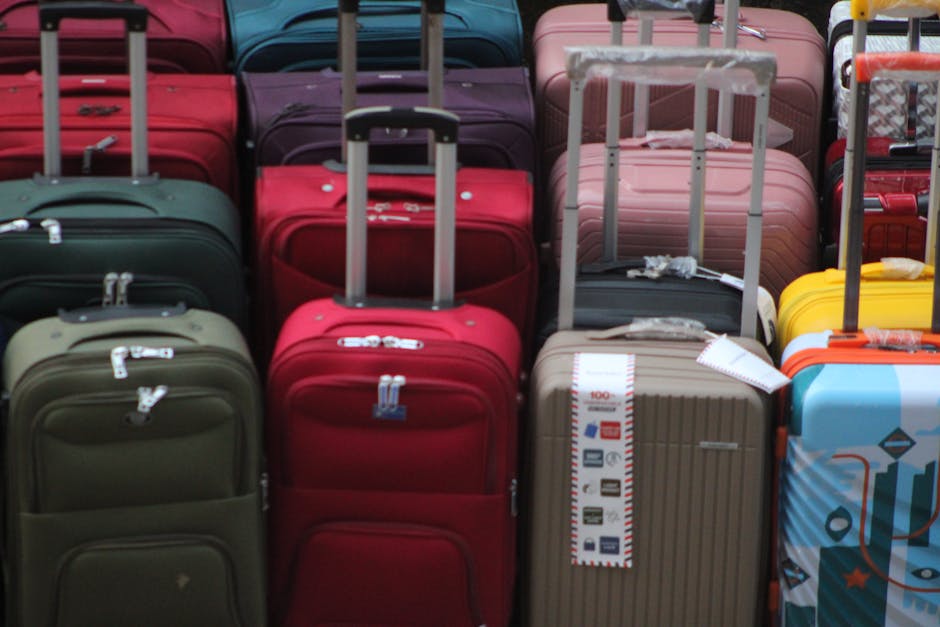
Even with the perfect bag, certain habits can lead to travel frustrations. A carry-on sale allows you to upgrade your gear, but your approach to packing and travel also needs an update. Avoiding these common mistakes ensures smoother trips and helps you get the most out of your new luggage. Awareness is key to a stress-free journey.
Is Overpacking a Real Problem for Carry-Ons?
Absolutely. Overpacking a carry-on is a leading cause of issues. Even if your bag meets dimension requirements, if it’s bulging, it might not fit the sizer or overhead bin. This leads to forced gate checks. Furthermore, an overstuffed bag strains zippers and seams, reducing its lifespan. Pack smart, not full. Use compression cubes to organize and maximize space without overstuffing the bag itself.
Why Do People Forget About Weight Limits?
Many travelers focus solely on carry-on dimensions and neglect potential weight restrictions. While less common for domestic flights in the U.S., international and budget airlines frequently enforce weight limits (e.g., 15-22 lbs or 7-10 kg). Exceeding this can result in fees just like oversized bags. Always check the airline’s specific policy. A lightweight bag helps here, as more of the allowance goes to your belongings, not the bag itself.
How Much Does a Good Warranty Matter?
A good warranty is . It’s a clear sign of a manufacturer’s confidence in their product’s quality. Luggage takes a beating. Wheels break, handles jam, zippers fail. A comprehensive warranty, especially a lifetime or extended one, covers manufacturing defects. It ensures you can get repairs or a replacement without additional cost. This protects your investment, turning a sale buy into a long-term asset. Don’t overlook it when comparing options.
The Right Fit: Matching Luggage to Your Travel Style
Choosing the right carry-on from a sale means aligning your purchase with your specific travel habits. Do you primarily take short business trips, or are you a leisure traveler who packs light for longer durations? Do you prefer organized compartments or maximum open space? Understanding your own needs is the final piece of the puzzle. It ensures your discounted bag isn’t just a bargain, but a valuable tool that enhances your travel experience.
Consider your typical destinations. If you navigate cobblestone streets, durable inline wheels might be better than spinners. For airport-heavy travel, spinner wheels make tight turns and long walks easier. If you check bags often, a more robust hardside might be better for protection. For those committed to only carrying on, a bag that consistently fits the most restrictive airline sizers offers peace of mind. No more gate-check surprises or flimsy zippers. With the right research and an eye for quality on sale, your next carry-on will be a reliable travel companion. It’s about smart choices, not just low prices. That gate agent won’t even glance your way next time.