
You’ve seen the headlines. Hostel beds now cost $50 a night in Lisbon. A private room in a hostel runs $90. Meanwhile, you can grab a whole Airbnb studio in Budapest for $45. So what’s the actual math in 2026?
I spent last month comparing prices across 15 cities in Europe and Southeast Asia. I looked at Hostelworld, Booking.com, and Airbnb listings side by side. Here’s what I found.
What a Hostel Bed Actually Costs in 2026
Dorm bed prices have climbed 30-50% since 2019. The days of $10 beds in Western Europe are gone. Here’s the real data from a Tuesday night in March 2026 (all prices in USD):
| City | Hostel Dorm (8-bed) | Hostel Private Room | Budget Airbnb Studio | Budget Hotel (2-star) |
|---|---|---|---|---|
| Lisbon | $48 | $95 | $62 | $78 |
| Bangkok | $14 | $35 | $28 | $32 |
| Barcelona | $42 | $88 | $55 | $70 |
| Berlin | $38 | $80 | $50 | $65 |
| Tokyo | $22 | $55 | $48 | $60 |
The dorm bed still wins on pure price in most cities. But the gap has shrunk. In Bangkok, the difference between a dorm and an Airbnb is $14. For two people traveling together, that Airbnb is already cheaper. For solo travelers, the dorm saves you $14 a night — but you share a room with seven strangers.
The Hidden Costs That Kill the Hostel Savings
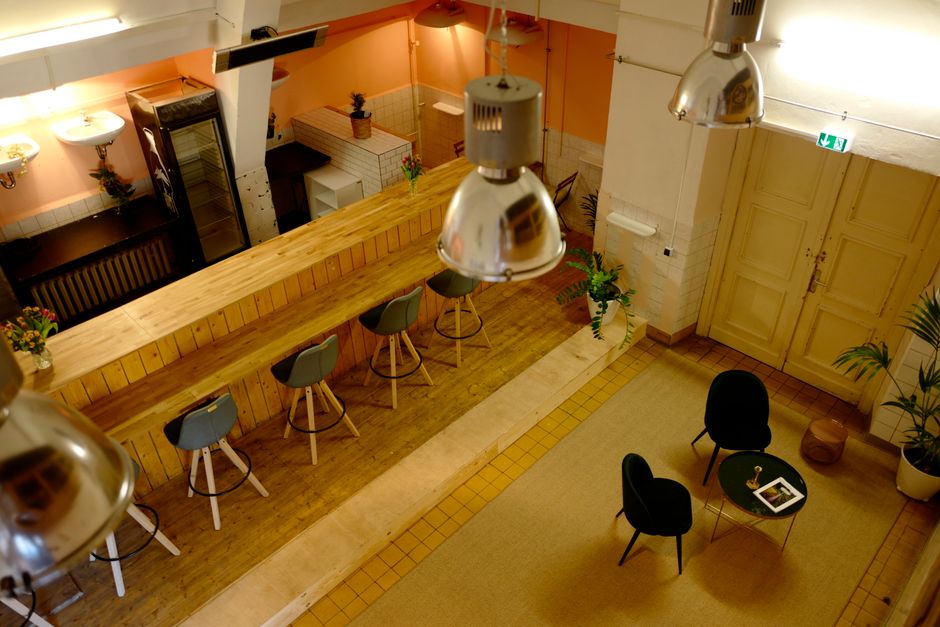
Hostels look cheap on the surface. But there are costs that don’t show up on the booking page.
Lockers, Towels, and Breakfast
Many hostels now charge extra for everything. A large locker costs $3-5 per night. A towel rental is $2-4. Breakfast runs $8-12. That $48 dorm bed just became $62 after add-ons. Compare that to an Airbnb where towels and breakfast are included.
Laundry and Storage
Hostel laundry machines cost $4-6 per load. Most Airbnbs have free machines. If you’re traveling for two weeks, that’s $20-30 in laundry fees you don’t pay at an Airbnb.
Social Pressure to Spend
This one is real. Hostels organize pub crawls, family dinners, and group tours. The social atmosphere pushes you to spend. A $5 dinner with the group becomes $25 after drinks. A $20 walking tour becomes $50. If you’re trying to save money, the hostel social scene works against you.
When Hostels Still Make Sense
I’m not here to bury hostels. They’re still the right choice in specific situations.
Solo travelers who want to meet people. If you’re traveling alone and want instant friends, no hotel or Airbnb can replace a hostel common room. The Generator Hostels in Berlin and Copenhagen have excellent social spaces. The Selina Hostels chain runs co-working and yoga classes on-site. You pay a premium for that community, but it’s worth it if connection is your goal.
Short stays in expensive cities. In London, Paris, or Amsterdam, a dorm bed for two nights beats a hotel room that costs $200 a night. The savings add up fast. Just don’t stay longer than three nights in a dorm — the sleep quality drops fast.
Backpackers on multi-city trips. If you’re moving cities every 2-3 days, hostels offer flexibility. No check-in times. No cleaning fees. You can book a bed the night before and leave your bag at reception. Hostelworld still has the best inventory for last-minute bookings.
When You Should Skip the Hostel

Here’s where the math flips. Skip the hostel in these cases:
- You’re traveling as a couple. Two dorm beds in Lisbon cost $96. A private room in the same hostel costs $95. A budget hotel costs $78. You pay more for less privacy. Just get the hotel.
- You need to work. Hostel Wi-Fi is unreliable. Desks are scarce. Power outlets are fought over. A $50 Airbnb with a proper desk and stable internet is cheaper than a $38 dorm bed plus a $15 coworking day pass.
- You’re over 35. This sounds harsh. But the average age in most social hostels is 22-28. You’ll feel out of place. The HI Hostels network has more age diversity, but the party hostels like St. Christopher’s Inn are loud and young. Book a quiet guesthouse instead.
- You value sleep. If you wake up at every snore, light, or door slam, a dorm is a bad bet. The savings aren’t worth being exhausted for your entire trip.
The Real Tradeoffs Nobody Talks About
The hostel vs. Airbnb debate isn’t just about money. It’s about what you’re optimizing for.
Privacy costs money. A private room in a hostel is almost never worth it. You pay hotel prices for thin walls and shared bathrooms. In 2026, a private room at a Generator Hostel in Copenhagen costs $140. A basic hotel room at the Cabinn City is $110. The hotel is cheaper and quieter.
Location is a hidden variable. Hostels are usually in central neighborhoods. Budget Airbnbs are often 20-30 minutes from the center. If you value walking to attractions, the hostel location premium matters. Calculate the cost of two extra metro rides per day — that’s $4-8. It narrows the price gap.
Safety matters differently. Hostels have 24-hour reception and keycard access. A cheap Airbnb in an unfamiliar building can feel sketchy. For solo female travelers, the security of a hostel front desk is worth $10-15 per night. I’d pay that premium without hesitation.
The Verdict: Should You Still Hostel in 2026?
Here’s my honest take. Hostels are worth it if you meet three conditions: you’re solo, you’re under 30, and you prioritize social interaction over sleep. If any of those conditions are false, the savings aren’t there anymore.
For couples, remote workers, light sleepers, or anyone over 35, a budget hotel or Airbnb delivers better value. The price gap has collapsed. You’re paying $10-20 more per night for your own room, a private bathroom, and silence. That’s a good deal.
If you do choose a hostel, pick one with free lockers, included breakfast, and a quiet-hours policy. Selina Hostels and HI Hostels are better for older travelers. Skip the party hostels unless that’s your explicit goal.
Hostels aren’t dead. But the idea that they’re always the cheapest option? That died around 2026. In 2026, you need to do the math for each city, each trip, and each traveler type. The answer changes every time.