
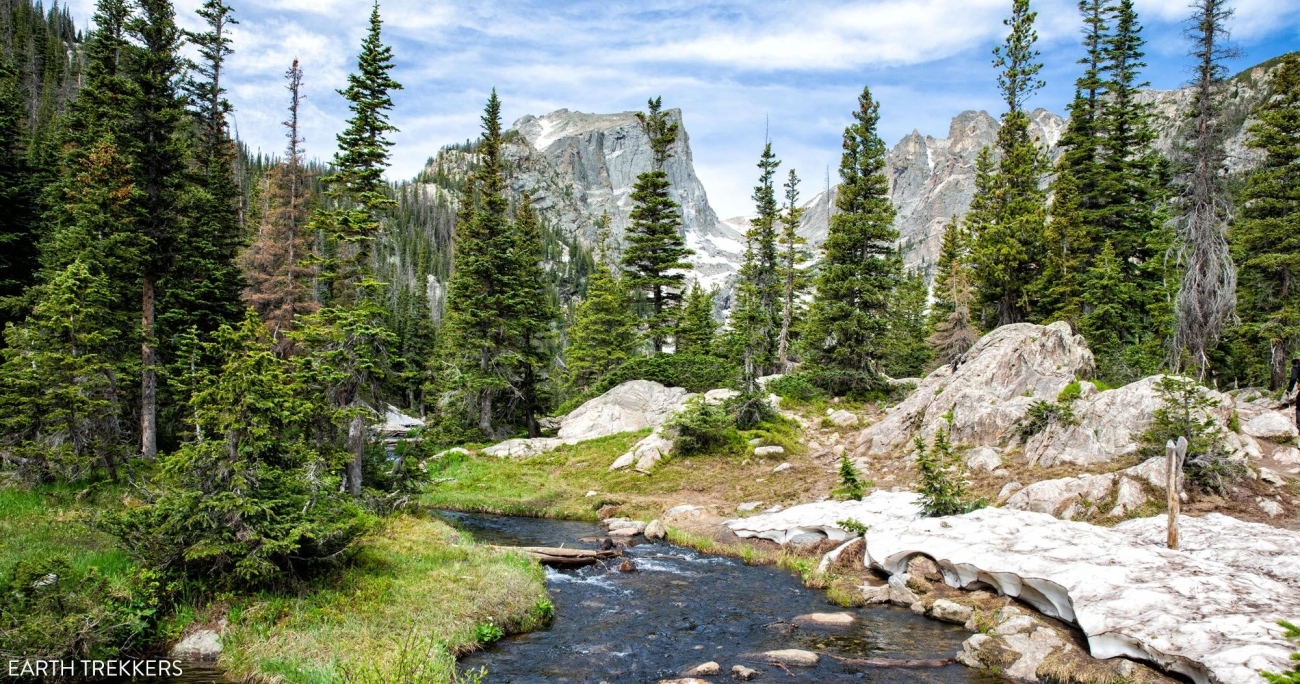
Choosing the Right Destination
Picking the perfect mountain destination sets the tone for an amazing day trip. To make the most of your time, consider these key factors:
- Proximity: Choose a mountain close enough for a day trip without spending all your time driving. Look for spots within 1-3 hours of your starting point.
- Accessibility: Check trail difficulty, parking availability, and how easy it is to get there. Some mountains offer paved roads and well-marked trails, while others require more effort.
- Crowd Levels: Popular spots can get busy, especially on weekends or holidays. If you want peace and quiet, check visitor reports or try lesser-known local options.
Popular Mountain Regions
Here are some classic mountain destinations that are perfect for day trips:
- Rocky Mountains: Offers diverse trails from easy family hikes to challenging peaks.
- Great Smoky Mountains: Known for lush forests, waterfalls, and wildlife viewing.
- Alps: Famous for stunning views and well-maintained paths (great if you’re in Europe).
- Local options: Don’t overlook nearby state parks or regional mountain ranges—they’re often less crowded and just as beautiful.
How to Research Your Destination
Use these tools to find the best trails and stay informed:
- Trail apps: AllTrails, Gaia GPS, and Hiking Project provide user reviews, trail maps, and difficulty ratings.
- Park websites: Official sites offer up-to-date info on trail conditions, closures, and permits.
- Visitor centers: Call or visit if possible to get insider tips and printed maps.
Match the Destination to Your Group
Think about who you’re going with. Are you planning a family-friendly outing or a more challenging mountain hike for experienced hikers? Pick trails that suit everyone’s fitness and skill levels to keep the trip enjoyable and safe.
By focusing on proximity, accessibility, crowd levels, and matching trails to your group’s needs, you’ll set up your mountain day trip for success right from the start!
Best Time to Go
Timing your mountain day trip right makes all the difference. Each season offers unique highlights: summer brings vibrant wildflowers, fall is perfect for colorful foliage, winter invites snowshoeing adventures, and spring showcases spectacular waterfalls. Consider what experience you want when choosing your date.
Start your day early to avoid crowds and to make sure you finish all activities well before dark. Early mornings also usually have cooler temperatures and clearer skies, enhancing your mountain hiking experience.
Always check weather forecasts and road conditions before you go. Use reliable sources like NOAA and park alerts to stay updated on sudden changes. This preparation helps ensure safety and lets you adapt plans quickly if needed.
Building Your Itinerary
When planning the perfect mountain day trip, realistic timing is key. Aim for 8 to 12 hours total, including driving time and activities. This helps you enjoy the day without rushing or feeling exhausted.
A good sample day might look like this:
- Morning: Drive to your trailhead early to beat crowds.
- Mid-day: Tackle a moderate hike that includes scenic viewpoints.
- Afternoon: Stop for a picnic at a designated spot and keep an eye out for wildlife.
- Evening: Head back before dark, allowing time for any unexpected delays.
Be sure to include these must-have elements:
- A moderate-level hike suitable for your group’s skill.
- Scenic stops with sweeping views.
- Picnic areas perfect for lunch or snacks.
- Opportunities for wildlife viewing to make the trip memorable.
Flexibility is essential. Plan backup activities or shorter routes in case of bad weather, fatigue, or unexpected delays. That way, you’ll still have a great day even if things don’t go exactly as planned.
For helpful day trip tips and planning ideas, check out this guide on how to spend one day visiting a scenic spot, which offers useful insights on structuring your outdoor itinerary.
Essential Packing List for Mountain Day Trips
Packing smart is key to a successful mountain day trip. Start with clothing layers: wear a moisture-wicking base to keep sweat off your skin, add an insulating mid-layer for warmth, and top it with a waterproof outer layer to stay dry in case of rain or wind.
For footwear, sturdy hiking boots are a must for tough terrain, and trekking poles can help with balance and reduce strain on your joints.
Bring plenty of food and hydration—pack high-energy snacks like nuts or granola bars and carry 2-3 liters of water per person in reusable bottles to stay fueled and hydrated throughout the day.
Don’t forget essential safety items: a first-aid kit, sunscreen, insect repellent, a headlamp in case you’re out late, and a whistle for emergencies.
Navigation tools are just as important—download offline maps on your phone, carry a portable charger to keep devices powered, and bring binoculars if you want to spot wildlife from a distance.
Following this mountain hiking tips checklist will keep you prepared and comfortable, no matter the weather or trail conditions.
Transportation and Logistics
When planning a mountain day trip, transportation details can make or break your experience. First, check if your destination requires park entry fees or timed reservations, as many popular mountain areas limit daily visitors to reduce crowding. Booking ahead for shuttle options is also smart, especially in busy national parks where parking fills quickly.
Speaking of parking, arriving early is crucial to secure a spot close to trailheads or visitor centers. If the main lot is full, know the locations of overflow lots and whether they offer shuttle services. This can save you from long walks or unnecessary delays.
Consider alternative transport to ease logistics: carpooling reduces parking demand and costs, while public shuttles or guided tours offer hassle-free access and local insights. These options also support Leave No Trace principles by minimizing vehicle impact.
Before you hit the road, fill up your tank and prepare an emergency kit suited for remote areas—include basic tools, flashlight, and extra water. Mountain weather can change fast, and some destinations are far from help, so being ready is key for safety and peace of mind.
For a deeper dive into transportation modes suitable for nature trips, check out this guide on my favorite modes of transportation, which covers everything from shuttles to carpooling options perfect for mountain adventures.
Safety and Preparation Tips
Before heading out, it\’s important to build up your physical fitness. Mountain hikes can be demanding, so work on your stamina through regular walks or light jogging. Also, be aware of altitude sickness—if your trip involves higher elevations like the Rockies or the Alps, know the symptoms (headache, nausea, dizziness) and take your time to acclimate.
Follow Leave No Trace principles strictly: always pack out your trash, stick to marked trails to avoid damaging vegetation, and respect wildlife by observing from a distance. These practices help preserve the natural beauty for everyone.
For emergency preparedness, share your itinerary with a friend or family member. Make sure your phone is fully charged, and keep ranger contacts handy in case you need assistance. Carrying a whistle or signaling device adds extra security.
Common risks on mountain day trips include dehydration, sudden storms, and unexpected wildlife encounters. To mitigate these:
- Stay hydrated: Drink at least 2-3 liters of water per person.
- Prepare for weather: Check forecasts before you go and carry appropriate rain gear.
- Handle wildlife safely: Keep a safe distance, don’t feed animals, and know what to do if you encounter bears or other large wildlife.
Being ready physically and mentally will help you enjoy your mountain adventure safely and responsibly.
Top Activities for a Memorable Day
For a great mountain day trip, focus on easy to moderate hikes that offer stunning views without overdoing it. Look for trails that feature scenic overlooks or natural landmarks—these are perfect for all skill levels and great for family mountain outings or beginner hiking groups.
If hiking isn’t your thing or you want to mix it up, consider scenic mountain drives that showcase the landscape without much effort. Stop at popular photography spots to capture the mountains’ beauty, or pack a lunch for a relaxing picnic at one of the designated spots.
Nature walks are another gentle way to connect with the environment while spotting local wildlife. Enhancing your experience with a special activity like sunrise or sunset viewing adds a magical touch to your day. If you’re visiting during the right season, activities like birdwatching or berry picking can make your trip even more memorable.
Planning around these top activities helps keep your day flexible and fun while letting you enjoy some of the best mountain hiking tips and spots without feeling rushed. For more inspiring ideas on nature and adventure travel, check out this photo essay showcasing stunning landscapes and outdoor experiences.
Post-Trip Reflection and Tips for Next Time
After your mountain day trip, it’s important to hydrate well and stretch your muscles to recover from any strain. Taking a moment to review your photos and notes can help you remember your favorite spots and plan better for future outings.
Common Mistakes to Avoid
- Underestimating the trail difficulty—choose hikes that match your fitness and skills.
- Packing too little or too much—stick to an essential day hike packing list to stay comfortable without extra bulk.
- Ignoring weather updates—always check forecasts to avoid surprises.
- Starting too late—begin early to avoid rushing or finishing in the dark.
- Forgetting to leave no trace—pack out all trash and respect the environment.
How to Scale Up Trips
Once you’re confident with day trips, consider turning them into overnight adventures. This allows you to explore more remote trails, enjoy sunrise or sunset views without a time crunch, and experience the mountains in a deeper way. Start by adding an easy campground stay or a backcountry shelter, and gradually build your stamina and gear kit.
For more tips on trip planning and packing, check out our guide on 10 epic reasons to go camping, which offers great insights to enhance your mountain outdoor experience.