
Most people think Slovenia is just Lake Bled and a quick stop in Ljubljana. They spend 48 hours there, snap the same church-on-an-island photo, and leave. That’s a mistake. This country packs more variety per square mile than almost anywhere in Europe — alpine peaks, Adriatic coast, underground canyons, and wine regions that don’t show up on Instagram. A 7-day road trip can cover the real Slovenia if you skip the cruise-ship day trips and drive the back roads.
Why a Road Trip Beats Train or Bus for Slovenia
Public transport in Slovenia is decent between major towns. But the hidden stuff — the shepherd huts on Velika Planina, the remote Soča swimming spots, the hilltop wineries in Goriška Brda — requires wheels. A rental car gives you freedom to stop when you see a dirt track or a sign for a waterfall.
Rental costs run about €35–€55 per day for a small hatchback (Fiat 500 or similar) from Ljubljana Airport. Book through local agencies like Avantcar or Sixt; avoid the big international chains at the airport if you want to save €10–€15 daily. Toll vignettes are mandatory — €15 for 7 days — and you can buy them at any gas station or the border. No vignette = €300 fine.
One warning: narrow mountain roads in the Julian Alps (especially the Vršič Pass) are tight. If you’re nervous about switchbacks, stick to the main highways. A manual transmission is standard; automatics cost €20 extra per day and are rare.
Day 1: Ljubljana and the Underground World
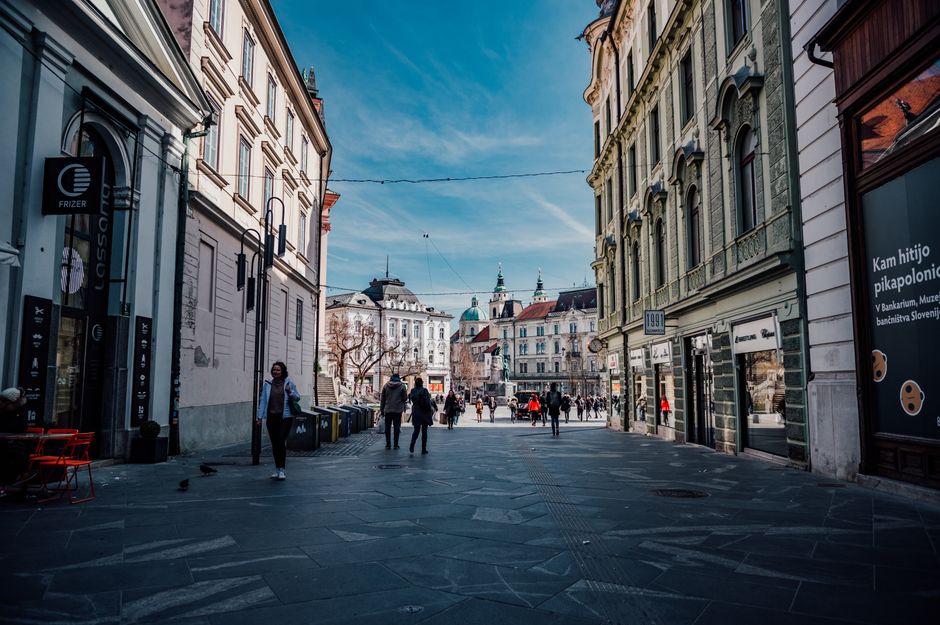
Fly into Ljubljana. Pick up the car at the airport. Spend the morning walking the old town — the dragon bridge, the triple bridge, the central market. Skip the castle unless you want the view; it’s a rebuilt shell with a restaurant inside.
After lunch, drive 50 minutes south to Škocjan Caves (UNESCO site). This is not Postojna — no train, no neon lights, no crowds. You walk 2 km through a canyon carved by the Reka River, 200 meters underground. The main chamber is big enough to hold the Eiffel Tower. Entry costs €16 per adult. Book the 2-hour guided tour online in advance — they cap groups at 20 people.
Return to Ljubljana for dinner. Try Gostilna Šestica for traditional štruklji (rolled dough with fillings) for about €12 a plate.
Day 2: Velika Planina and the Alpine Pastures
Most tourists go to Lake Bled on day two. You’re going to Velika Planina instead — an alpine plateau at 1,600 meters with wooden shepherd huts, cows with bells, and zero souvenir shops. Drive 40 minutes north from Ljubljana to the cable car station at Krvavec. The cable car costs €18 round trip. Once up top, walk the 3-km loop past the huts. In summer, shepherds sell fresh curd cheese and buttermilk for €2–€3.
Afternoon: descend to Kamnik, a medieval town at the base. Walk the main square, climb the Grad Zaprice ruins (free), and grab a burek from a street bakery for €3. Skip Bled entirely today — you’ll see it tomorrow.
Tradeoff: Velika Planina is less famous than Bled, but it’s more authentic. If you only have one day for nature, this is it.
Day 3: Lake Bled Early, Then the Soča Valley
Wake up at 6 AM. Drive to Lake Bled (45 minutes). Park at the eastern shore near the camping ground — free parking before 8 AM. Walk the 6-km loop around the lake. The iconic view is from the Mala Osojnica viewpoint, a 15-minute uphill hike from the campsite. No crowds at 7 AM. Skip the pletna boat to the island (€14) — the church interior is plain. You’re done by 9 AM.
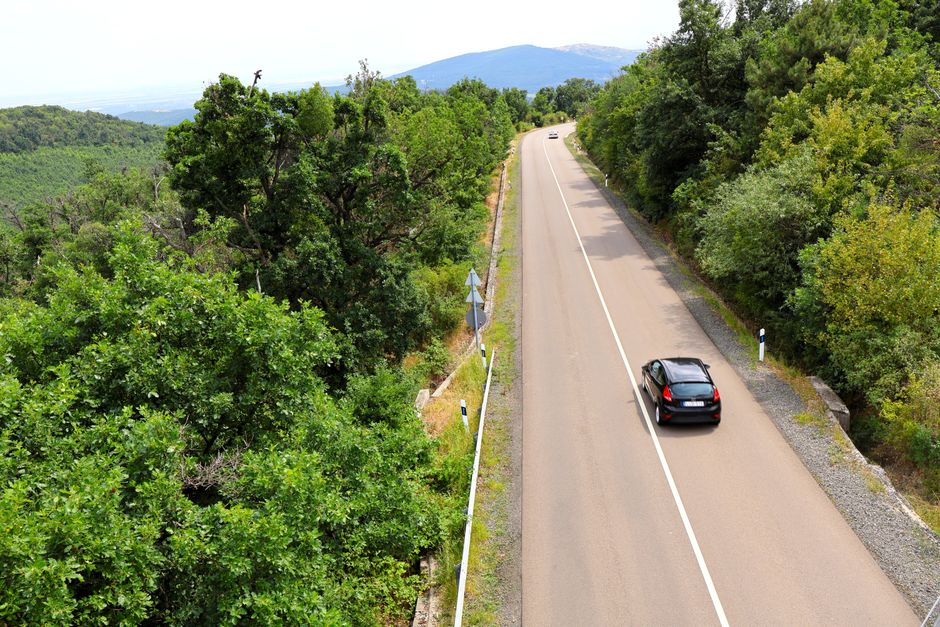
Drive west to the Soča Valley (1.5 hours). Stop at the Virje Waterfall near Kobarid — free, 5-minute walk from the road. Swim in the emerald pools if it’s warm. Then drive the winding road up to the Vršič Pass (1,611 meters). The road has 50 hairpin turns. At the top, hike 20 minutes to the Russian Chapel, a small wooden church built by POWs in WWI.
Stay overnight in Kranjska Gora. Budget hotels like Hotel Kotnik start at €70 per night with breakfast. Eat at Gostilna Pri Martinu — try the Soča trout for €15.
| Stop | Time Needed | Cost |
|---|---|---|
| Lake Bled (early morning) | 2 hours | Free (parking €5 after 8 AM) |
| Virje Waterfall | 30 min | Free |
| Vršič Pass drive + Russian Chapel | 1.5 hours | Free (toll covered by vignette) |
Day 4: The Soča Trail and Tolmin Gorge
The Soča River runs 140 km from the Julian Alps to the Adriatic. The best section for hiking is between Bovec and Kobarid. Park at the bridge near the Kobarid Museum (€3 all day). Walk the Soča Trail south — 8 km one way, mostly flat, with swimming spots every 500 meters. The water is 8–12°C even in summer. Bring a wetsuit if you plan to swim longer than 5 minutes.
After lunch in Kobarid (try Hiša Franko for a splurge — €80 tasting menu, world-renowned), drive 30 minutes to Tolmin Gorge. Entry is €5. Walk the 2-km loop past the turquoise pools and the 60-meter-high Devil’s Bridge. The gorge is less crowded than Bled and more dramatic.
Failure mode: People try to combine the Soča Trail, Tolmin Gorge, and a stop in Bled in one day. Don’t. You’ll rush and miss the swimming. Stick to the valley.
Day 5: Goriška Brda Wine Region
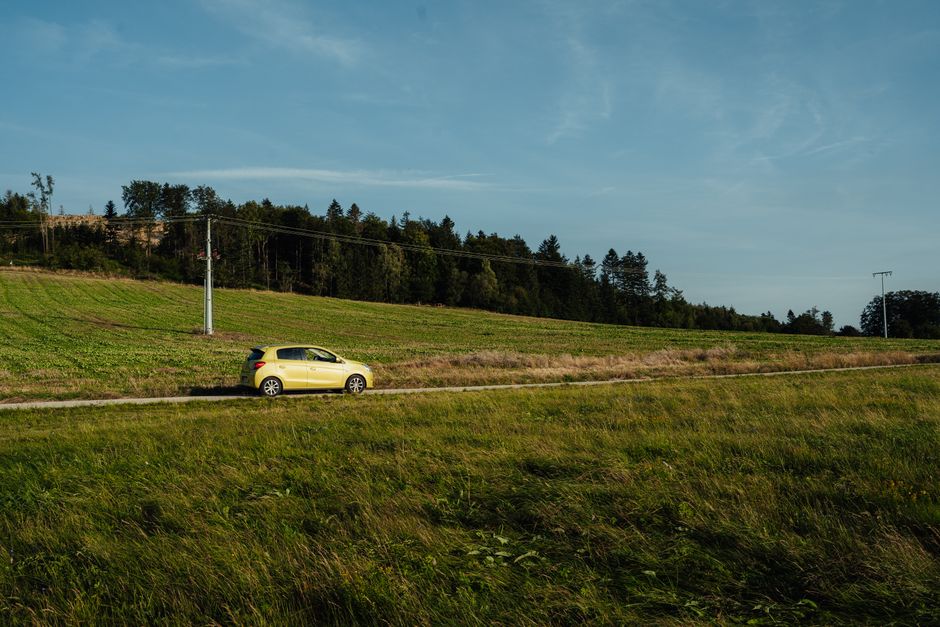
Drive south 1 hour to Goriška Brda, Slovenia’s answer to Tuscany. Hills covered in vineyards, medieval hilltop villages, and family-run wineries. The region produces Rebula (a crisp white) and Merlot.
Visit Klet Brda (the big cooperative) for a structured tasting — €10 for 5 wines. Then drive to Šmartno, a restored medieval village with a stone wall and a bell tower. The view from the top covers the entire valley and the Italian border. For lunch, Gostilna pri Lojzetu in Zemono serves local prosciutto and cheese boards for €15.
Stay overnight in a vineyard cottage. Tourist Farm Ščurek offers rooms for €60–€80 per night, plus a homemade breakfast with honey and cured meats.
When NOT to come: October through March. Most wineries close for winter, and the hills turn brown. May–September is prime.
Day 6: Piran and the Adriatic Coast
Drive 1.5 hours south to Piran. This is the only coastal town worth your time — Portorož is a concrete hotel strip, Izola is a working port. Park in the garage at the entrance (€2/hour) because the narrow streets are pedestrian-only.
Walk to Tartini Square, climb the bell tower for €3 (146 steps, views over the Gulf of Trieste), and eat seafood at Pirat — grilled squid for €12, fresh sardines for €8. Swim at the small beach below the town walls. It’s rocky, not sandy, but the water is clear.
Alternatives: drive 15 minutes to Strunjan, a nature reserve with salt pans and a longer beach with fewer people.
Day 7: Škocjan Return or Postojna Cave (Your Choice)
Two options for the final day before your flight.
Option A: Škocjan Caves again — if you skipped them on day one, do the full guided tour today. Add the nearby Lipica Stud Farm (€12, home of the Lipizzaner horses) for a 1-hour visit.
Option B: Postojna Cave — bigger, more touristy, with an electric train. Entry is €25. Worth it if you want the “wow” factor of the train ride through the cave. But expect 500+ people per tour in summer. Book the 9 AM slot to avoid the worst crowds.
Either way, drive back to Ljubljana Airport (1 hour) and drop the car. Total driving for the week: about 600 km. Fuel costs: roughly €70–€90 for the trip.